

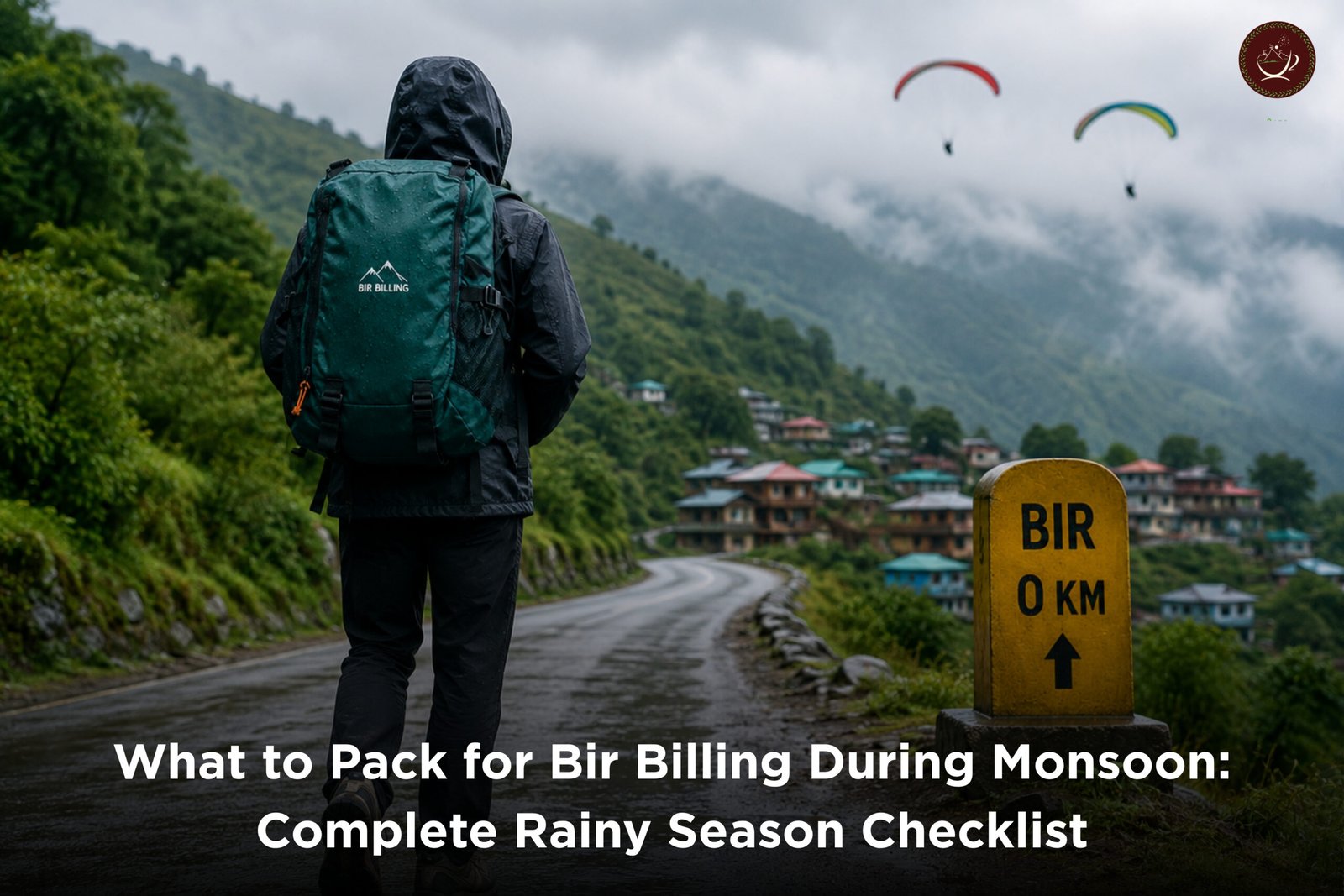
Planning a monsoon trip to Bir Billing can be an exciting way to experience the region at a slower, greener and more atmospheric pace. Rain can transform the landscape, refresh the forests and create a peaceful setting for travelers who enjoy mountain escapes. But rainy-season travel also requires better preparation.
A good Bir Billing monsoon packing list isn’t about carrying everything you own. It’s about choosing practical items that protect you from rain, moisture, muddy paths, changing temperatures, and unexpected travel conditions.
Bir Billing combines mountain landscapes, village surroundings, cafés, walking routes, outdoor activities, and accommodation options. During the wet season, conditions can change quickly, so thoughtful packing can make your trip considerably more comfortable.
For guests planning a stay around Northern Cafe / FeelAliveCamps, preparation is particularly useful if your plans include spending time outdoors, exploring the area, relaxing around camp, or enjoying the mountain atmosphere.
This guide covers what to pack, what to avoid, how to protect electronics, what footwear works best, and which small items can make a surprisingly big difference.
Why Monsoon Packing for Bir Billing Needs Extra Planning
Rain Changes Your Travel Routine
Rain affects more than just your clothing.
Wet roads, muddy pathways, damp bags, and slower drying times can influence your entire day. Something that seems unnecessary at home can become extremely useful during a mountain trip.
For example, carrying an extra pair of socks may sound simple, but having dry socks after walking through a wet area can significantly improve your comfort.
The same applies to waterproof bags, quick-drying clothing, and footwear with dependable grip.
Mountain Weather Can Be Unpredictable
Mountain weather doesn’t always follow the schedule shown on a weather app.
You may start the morning with clear skies and encounter rain later in the day. Temperatures can also feel different depending on cloud cover, wind, elevation, and humidity.
That’s why your luggage should include layers rather than relying on one heavy jacket.
A practical approach is to prepare for:
- Rain
- Cool evenings
- Humidity
- Wet walking surfaces
- Occasional sunshine
- Changing outdoor conditions
Being prepared gives you more flexibility without requiring excessive luggage.
The Core Bir Billing Monsoon Essentials
1. A Reliable Rain Jacket
A lightweight waterproof or water-resistant rain jacket should be one of the first things you pack.
A good rain jacket can protect your upper body while remaining easy to carry when the weather improves.
Look for features such as:
- Hood
- Adjustable cuffs
- Comfortable fit
- Lightweight material
- Easy packability
- Breathable construction where possible
A bulky winter jacket isn’t always practical during the monsoon. A lightweight rain shell combined with layers can offer greater flexibility.
2. Compact Umbrella
An umbrella can be useful for short walks, café visits and moving between nearby places.
Choose a compact model that fits easily inside your daypack.
However, don’t depend entirely on an umbrella. Wind and heavy rain can make a rain jacket more practical, especially when you’re walking outdoors.
For mountain travel, carrying both a jacket and compact umbrella gives you more options.
Choosing the Right Monsoon Clothing
Quick-Drying T-Shirts and Tops
Cotton clothing can feel comfortable in dry weather but may take a long time to dry after becoming wet.
For rainy-season travel, consider lightweight quick-drying fabrics.
Pack enough everyday tops to account for:
- Rain exposure
- Sweat
- Humidity
- Unexpected delays
- Limited drying opportunities
Neutral, versatile clothing can also make it easier to create multiple outfits without overpacking.
Lightweight Layers for Cool Weather
Don’t assume monsoon means consistently warm weather.
Cloudy conditions and rain can make mountain evenings feel cool.
Pack one or two lightweight layers such as:
- Thin fleece
- Light sweatshirt
- Full-sleeve shirt
- Lightweight thermal layer if you’re sensitive to cold
Layering is more practical than carrying one very heavy garment.
You can add or remove layers according to the weather.
Extra Socks Are Essential
Wet feet can quickly become uncomfortable.
Pack more socks than you think you’ll need, particularly if you plan to walk or explore outdoors.
Quick-drying or moisture-managing socks can be useful, and keeping at least one completely dry pair in a waterproof pouch gives you a reliable backup.
This is one of those small preparations that can make a big difference.
Footwear for Rainy Mountain Conditions
Choose Grip Over Fashion
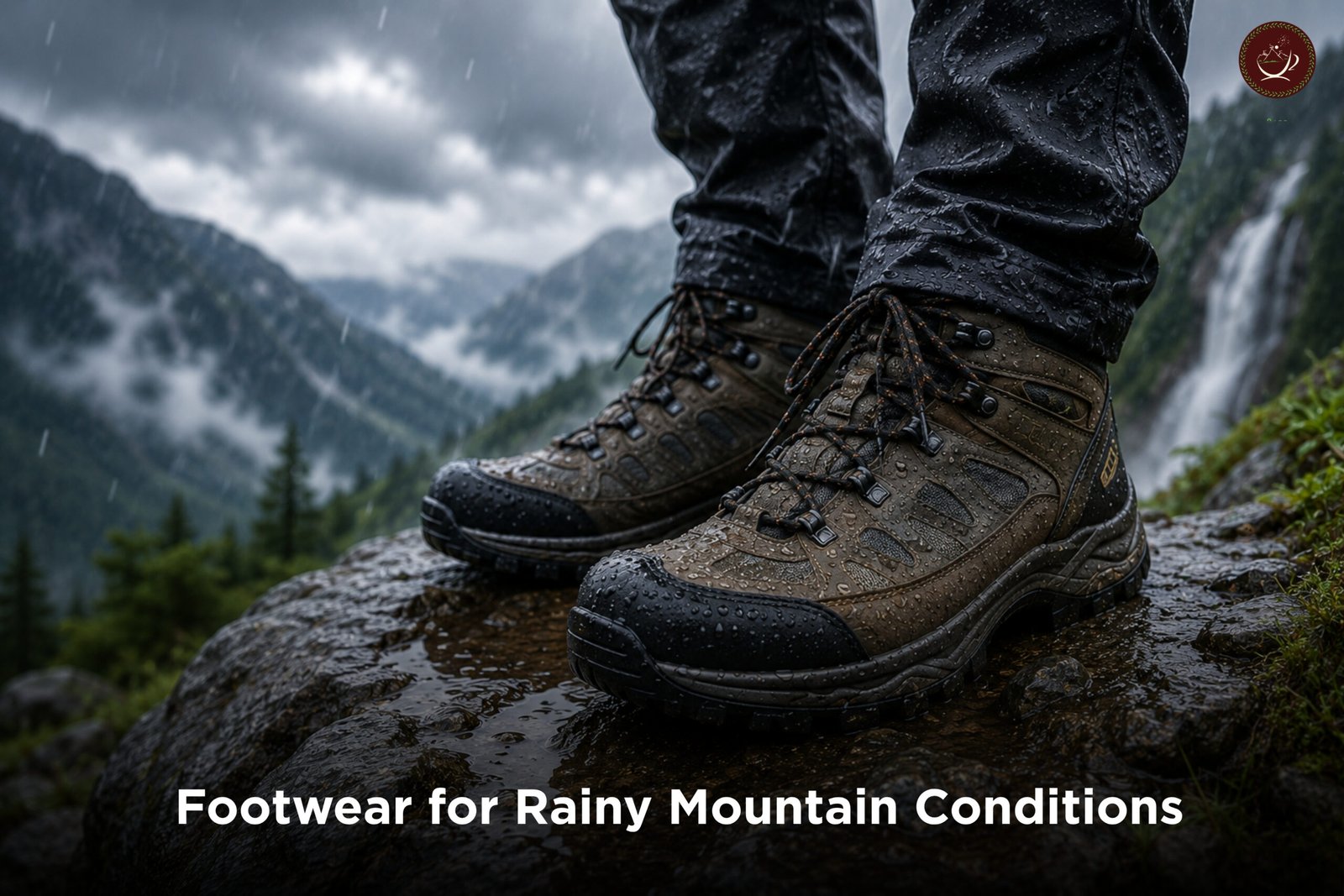
Footwear should be one of your highest priorities when preparing for a rainy mountain trip.
Look for shoes with:
- Good traction
- Secure fit
- Comfortable cushioning
- Some resistance to moisture
- Durable soles
Smooth-soled casual shoes can become slippery on wet surfaces.
You don’t necessarily need specialist trekking boots for every trip, but your primary footwear should be appropriate for the activities you actually plan to do.
Pack an Extra Pair of Footwear
If luggage space allows, carry a second pair.
Your main shoes may become wet or muddy, and having an alternative pair gives them time to dry.
A simple combination could be:
Primary: Comfortable outdoor shoes with good grip.
Backup: Lightweight sandals or another practical pair for indoor and casual use.
Avoid packing multiple heavy pairs unless your itinerary genuinely requires them.
What to Pack for Bir Billing in Monsoon: Protect Your Electronics
Use Waterproof Pouches
Rain and moisture can damage phones, cameras, chargers and other electronics.
A waterproof pouch or dry bag can protect important equipment while you’re outside.
Useful items include:
- Phone waterproof pouch
- Small dry bag
- Zip-lock bags
- Cable organizer
- Protective covers
You don’t need expensive specialized equipment for every item. Even simple waterproof storage can provide an extra layer of protection.
Carry a Power Bank
Rainy weather can sometimes mean spending more time indoors or away from your accommodation.
A charged power bank provides useful backup for your phone.
This is particularly helpful if you’re using your phone for:
- Navigation
- Communication
- Travel bookings
- Photography
- Weather updates
- Emergency contacts
Keep the power bank itself protected from moisture.
Personal Care Items You Shouldn’t Forget
Basic Toiletries
Pack your regular toiletries in a waterproof toiletry bag.
Consider:
- Toothbrush
- Toothpaste
- Face wash
- Soap
- Shampoo
- Deodorant
- Moisturizer
- Lip balm
- Personal medication
Travel-sized containers can reduce luggage space.
Sun Protection Still Matters
Cloudy weather doesn’t mean you should completely ignore sun protection.
Pack:
- Sunscreen
- Sunglasses
- Cap or hat
Weather can change quickly, and you may spend time outdoors when clouds clear.
A small sunscreen bottle takes very little luggage space but can be useful throughout the trip.
Health and Safety Items for a Monsoon Trip
Carry Your Regular Medication
If you take prescription medication, carry enough for the entire trip and keep it in its original packaging where practical.
You may also want a small personal first-aid kit containing basic items such as:
- Bandages
- Antiseptic wipes
- Personal medication
- Pain-relief medication you normally use
- Blister protection
- Any doctor-recommended essentials
Don’t rely on finding a specific medicine immediately after arriving at your destination.
Insect Protection
Rain and greenery can create conditions where insects are more noticeable.
Consider carrying an appropriate insect-repellent product, especially if you’ll spend time outdoors.
Long sleeves and full-length trousers can also provide practical protection while exploring.
Building Your Bir Billing Travel Checklist
Documents and Money
Keep important documents protected from moisture.
Your travel organizer can include:
- Government ID
- Booking confirmations
- Travel insurance information if applicable
- Emergency contacts
- Some cash
- Bank cards
Store important documents inside a waterproof pouch.
Having digital copies of essential documents can also be useful, but don’t rely exclusively on your phone.
Keep Your Daypack Light
A daypack should contain only what you need during the day.
A practical setup can include:
- Rain jacket
- Water bottle
- Phone
- Power bank
- Small umbrella
- Sunscreen
- Wallet
- Identification
- Waterproof pouch
- Small snack
A lightweight daypack is much easier to carry than an overloaded backpack.
Packing for Outdoor Activities
Choose Clothing That Allows Movement
If you plan to participate in outdoor activities, clothing should prioritize comfort and movement.
Avoid carrying clothing that becomes extremely heavy when wet.
Lightweight trousers and quick-drying tops can be practical choices.
Also consider how easily your clothes can be packed into a waterproof compartment if weather conditions change.
Protect Your Backpack
Even if your backpack claims to be water-resistant, an additional rain cover can provide useful protection.
A backpack rain cover is especially helpful when you’re carrying:
- Camera equipment
- Electronics
- Documents
- Extra clothing
- Snacks
Keep sensitive items inside an inner waterproof pouch as an additional precaution.
What Not to Overpack for Bir Billing
Avoid Carrying Too Many Clothes
A common travel mistake is packing a different outfit for every possible situation.
For a short trip, focus on versatile pieces that can be layered and reused.
For example:
- 3–4 everyday tops
- 1–2 warm layers
- 2 pairs of trousers
- Adequate socks
- Rain jacket
- Comfortable footwear
Adjust the quantities according to your trip length and personal requirements.
Leave Unnecessary Heavy Items at Home
Avoid filling your luggage with things you probably won’t use.
Think twice before carrying:
- Heavy books
- Excessive shoes
- Bulky jackets
- Multiple bags
- Too many accessories
- Large toiletry bottles
Light luggage makes mountain travel easier, especially when moving between transportation points and accommodation.
Monsoon Packing Tips for a More Comfortable Stay
Separate Wet and Dry Items
One of the most useful organizational techniques is separating wet items from dry items.
Use separate bags for:
Dry clothing
Wet clothing
Footwear
Electronics
Toiletries
This prevents one wet item from soaking everything else in your luggage.
Pack an Emergency Dry Set
Keep one complete change of clothes in a waterproof bag.
Don’t open this bag unless necessary.
If your other clothing becomes wet, you’ll always have a clean, dry backup.
This simple strategy is particularly useful when traveling between destinations or when accommodation drying space is limited.
Staying at Northern Cafe / FeelAliveCamps During Monsoon
Prepare for Outdoor Comfort
If you’re staying with Northern Cafe / FeelAliveCamps, packing should balance outdoor exploration with relaxed camp time.
Comfortable clothing, rain protection, dry storage and suitable footwear can help you enjoy the surroundings even when the weather changes.
Rather than trying to avoid every drop of rain, prepare properly and treat the monsoon as part of the mountain experience.
Keep Your Essentials Easily Accessible
Don’t bury your rain jacket at the bottom of your main luggage.
Keep frequently needed items where you can reach them quickly.
A practical arrangement is:
Top of bag: Rain jacket, umbrella, water bottle.
Middle: Dry clothing.
Protected compartment: Electronics and documents.
Separate pouch: Toiletries and medication.
This saves time when the weather changes suddenly.
Complete Clothing Checklist for Bir Billing Monsoon
Everyday Clothing
For a short monsoon trip, focus on lightweight, comfortable clothing that can be layered.
A practical clothing selection may include:
- Quick-drying T-shirts
- Full-sleeve shirts
- Lightweight trousers
- Comfortable travel pants
- One warm layer
- Rain jacket
- Extra underwear
- Several pairs of socks
- Sleepwear
Choose clothes that are easy to wash, dry, fold, and reuse.
You don’t need a completely different outfit for every day. Versatile clothing helps keep your luggage manageable.
Clothing for Cool Evenings
Rain, clouds, and mountain air can make evenings feel cooler than expected.
Pack at least one comfortable warm layer, such as a lightweight fleece or sweatshirt.
If you’re particularly sensitive to cold, consider carrying an additional thin layer rather than one very heavy jacket.
Layering allows you to adjust your clothing as temperatures change.
Footwear Checklist for Wet Conditions
Your Main Pair
Your primary shoes should provide reliable traction.
Look for:
- Non-slip or high-grip soles
- Comfortable fit
- Good ankle or foot support
- Reasonable water resistance
- Breathable construction
Before your trip, make sure you’ve already worn the shoes enough to know they’re comfortable.
A rainy trip is not the ideal time to discover that your new shoes cause blisters.
Backup Footwear
A second pair can be extremely useful if your primary shoes become soaked.
A lightweight pair of sandals or casual footwear can work for accommodation, cafés and relaxed indoor use.
Keep your backup footwear separate from dry clothing to prevent dirt and moisture from spreading through your luggage.
Electronics and Photography Gear
Protect Your Phone and Camera
Bir Billing’s rainy landscapes can create excellent photography opportunities, but moisture is a major concern.
If you’re carrying a camera, smartphone or other electronics, consider:
- Waterproof phone pouch
- Dry bag
- Camera rain cover
- Microfiber cloth
- Extra memory card
- Spare battery
- Power bank
- Cable organizer
Don’t leave electronic equipment exposed while moving through heavy rain.
Keep Charging Accessories Organized
A small electronics pouch can prevent cables and chargers from becoming tangled or misplaced.
Your kit may include:
- Phone charger
- Charging cable
- Power bank
- Camera charger
- Spare batteries
- Earphones
Store these items inside a water-resistant pouch.
Food and Hydration Essentials
Carry a Reusable Water Bottle
A reusable bottle is practical for travel and outdoor activities.
Keep it easily accessible in your daypack and refill it where safe and appropriate.
Staying hydrated remains important even when the weather feels cool.
Pack Small Travel Snacks
A few lightweight snacks can be useful when you’re away from your accommodation.
Consider options that travel well, such as:
- Nuts
- Energy bars
- Dry fruits
- Biscuits
- Other packaged snacks you normally enjoy
Avoid carrying foods that can easily leak or spoil.
Camping and Outdoor Considerations
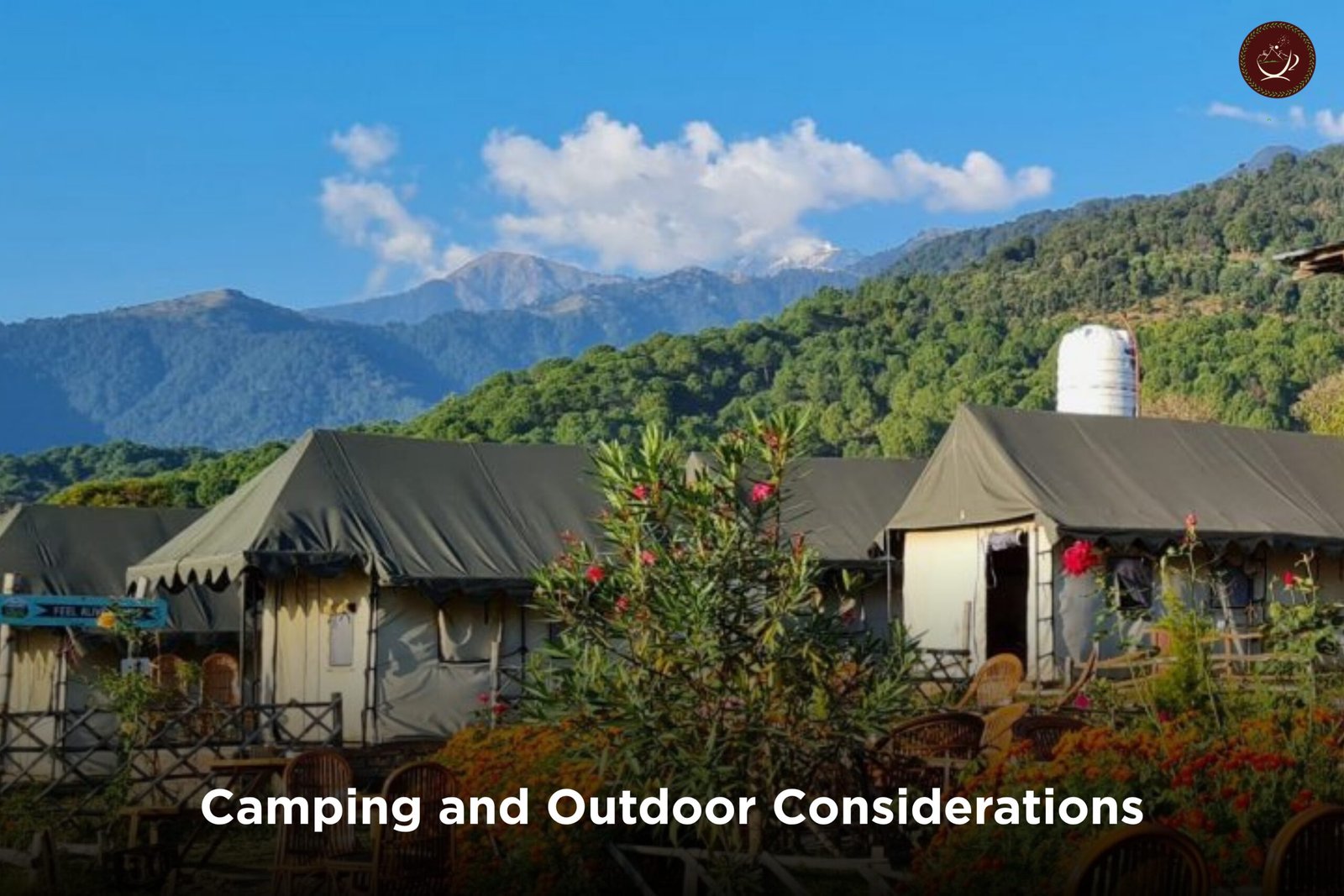
Check What Your Accommodation Provides
If you’re staying at FeelAliveCamps, check with the property beforehand about what’s already available.
This can prevent you from carrying unnecessary equipment.
Depending on your accommodation and planned activities, you may not need to bring:
- Large camping equipment
- Bulky bedding
- Heavy cooking equipment
- Large outdoor accessories
Always confirm what’s included before deciding what to pack.
Prioritize Dry Storage
If you’ll spend significant time outdoors, waterproof storage becomes especially valuable.
Use separate pouches for:
- Clothes
- Electronics
- Documents
- Medication
- Toiletries
This creates a simple moisture-management system inside your luggage.
Bir Billing Monsoon Travel Tips for Day Trips
Carry a Small Emergency Kit
A compact emergency pouch can include:
- Basic first-aid supplies
- Personal medication
- Tissues
- Hand sanitizer
- Bandages
- Insect repellent
- Small flashlight
Keep this pouch in your daypack rather than buried in your main luggage.
Keep Weather Protection Accessible
A rain jacket is only useful if you can reach it quickly.
Don’t put it underneath several layers of clothing.
Instead, store it:
- At the top of your backpack
- In an external compartment
- Inside an easily accessible waterproof pouch
The same applies to your umbrella.
What to Pack for Bir Billing During Monsoon: A Detailed Checklist
Clothing Checklist
| Item | Suggested Priority |
| Rain jacket | Essential |
| Quick-drying T-shirts | Essential |
| Comfortable trousers | Essential |
| Warm layer | Essential |
| Extra socks | Essential |
| Sleepwear | Useful |
| Extra underwear | Essential |
| Hat/cap | Useful |
Adjust quantities according to trip duration.
Travel and Outdoor Checklist
| Item | Suggested Priority |
| Daypack | Essential |
| Compact umbrella | Useful |
| Water bottle | Essential |
| Waterproof pouch | Essential |
| Backpack rain cover | Useful |
| Small flashlight | Useful |
| Snacks | Useful |
| Insect repellent | Useful |
This gives you a compact foundation without encouraging unnecessary packing.
How to Organize Your Luggage
Use Packing Cubes or Separate Bags
Packing cubes can help divide your luggage into categories.
For example:
Cube 1: Everyday clothing
Cube 2: Underwear and socks
Cube 3: Warm layers
Pouch 1: Electronics
Pouch 2: Toiletries
Pouch 3: Documents and money
This organization makes it easier to find what you need without unpacking everything.
Keep Wet Items Isolated
Never place wet clothing directly alongside dry clothing.
Carry one or two waterproof bags specifically for damp items.
When you return to your accommodation, remove wet clothes from the main luggage as soon as practical and allow them to dry appropriately.
This helps prevent unpleasant odors and keeps your other belongings dry.
Common Monsoon Packing Mistakes
Packing Only Cotton Clothing
Cotton can feel comfortable, but it can also hold moisture and take longer to dry.
A combination of lightweight and quick-drying materials can be more practical during wet weather.
You don’t have to eliminate cotton entirely. Simply avoid relying on it for your entire wardrobe.
Bringing Shoes With Poor Grip
Fashionable casual shoes may not provide sufficient traction on wet surfaces.
Choose footwear based on the activities and conditions you’ll encounter.
Comfort and grip should come before appearance.
Forgetting Waterproof Storage
A rain jacket protects you, but what protects the items inside your bag?
Waterproof pouches, dry bags, and zip-lock bags provide an additional layer of protection for sensitive belongings.
They’re inexpensive, lightweight, and easy to pack.
Packing Too Much
Overpacking can make mountain travel unnecessarily tiring.
Before adding something to your bag, ask:
“Will I realistically use this?”
If the answer is no, leave it behind.
A Smart Packing Strategy for a Short Trip
Follow the 3-Layer Approach
A practical strategy is to divide your luggage into three categories:
Layer 1 — Protection:
Rain jacket, umbrella, waterproof bags.
Layer 2 — Clothing:
Quick-drying clothes, warm layers, socks.
Layer 3 — Essentials:
Documents, medication, electronics, toiletries.
This keeps your most important items organized and easy to access.
Prepare a Ready-to-Go Daypack
Before leaving your accommodation each morning, prepare a small daypack containing:
- Phone
- Wallet
- ID
- Rain jacket
- Water
- Power bank
- Sunscreen
- Small snack
- Waterproof pouch
That way, you won’t need to repeatedly open your main luggage throughout the day.
Planning Your Monsoon Stay With FeelAliveCamps
Pack for the Experience You Want
If you’re visiting Bir Billing for relaxation, your luggage can remain relatively simple.
If you’re planning longer outdoor walks and activities, you may need additional protection and clothing.
FeelAliveCamps and Northern Cafe can be part of a relaxed mountain getaway, but your packing should ultimately match your personal itinerary.
Check current accommodation and activity arrangements before departure so you don’t carry equipment that is already available.
Keep Your Expectations Flexible
Monsoon travel sometimes requires changing plans.
Rain may affect outdoor activities, road conditions, walking routes, or sightseeing schedules.
Instead of packing for one rigid itinerary, prepare for alternatives.
A good rain jacket, comfortable clothing, waterproof storage and flexible plans can make the trip much more enjoyable.
Final Bir Billing Monsoon Packing Checklist
The Must-Have Items
Before leaving home, make sure you have:
- Rain jacket
- Compact umbrella
- Comfortable high-grip shoes
- Backup footwear
- Quick-drying clothes
- Warm layer
- Extra socks
- Waterproof phone pouch
- Power bank
- Water bottle
- Sunscreen
- Personal medication
- Insect repellent
- ID and travel documents
- Small daypack
- Backpack rain cover
- Waterproof bags for wet items
This Bir Billing rainy season packing list covers the essentials without encouraging you to overload your luggage.
Pack According to the Length of Your Trip
For a One-Night or Two-Day Trip
For a short weekend visit, keep your luggage compact.
A practical setup can include:
- 2–3 quick-drying tops
- 1–2 pairs of trousers
- Extra socks and underwear
- One warm layer
- Rain jacket
- Comfortable footwear
- Backup footwear
- Toiletries
- Personal medication
- Waterproof pouch
- Small daypack
There’s no need to carry a large suitcase if you can comfortably fit your essentials into a backpack or small travel bag.
For a Longer Stay
For a stay of several days, add clothing gradually rather than packing a completely different outfit for every day.
Prioritize:
- Extra quick-drying tops
- Additional socks
- More underwear
- Another lightweight layer
- Additional waterproof storage
- Personal-care supplies
If your accommodation offers laundry or drying facilities, take advantage of them rather than carrying excessive clothing.
Monsoon Safety Tips for a Comfortable Trip
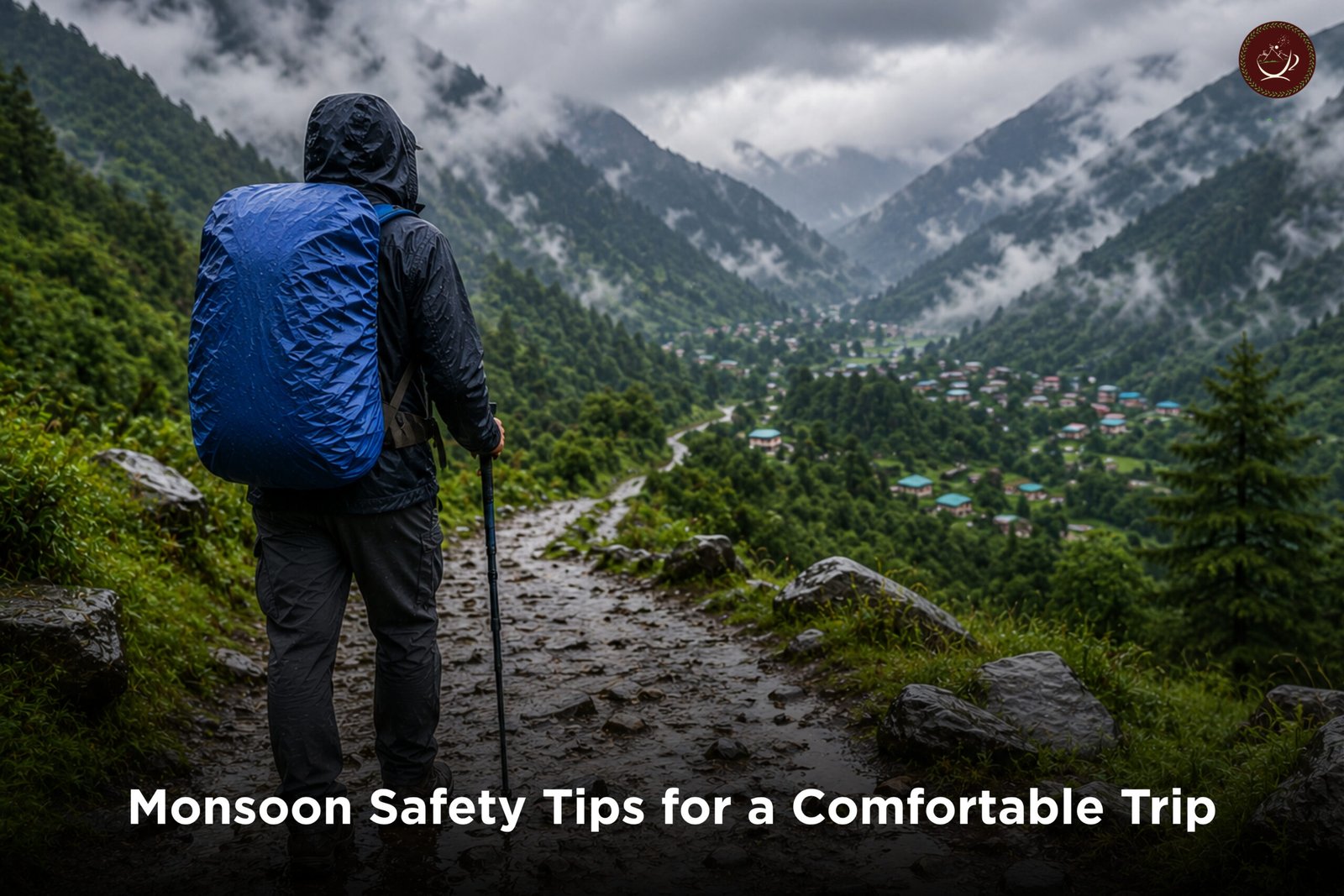
Check Weather and Local Conditions
Before leaving for outdoor activities, check the current weather and local conditions.
Rain intensity can change quickly in mountainous areas. If heavy rainfall is expected, reconsider unnecessary outdoor travel and follow local advice.
Don’t assume that a route is safe simply because it was accessible the previous day.
Be Careful on Wet and Slippery Surfaces
Wet rocks, mud, stairs, paths, and roadside surfaces can become slippery.
Walk carefully and avoid rushing.
Good footwear helps, but it doesn’t eliminate the risk of slipping.
If a route appears unsafe because of heavy rain, waterlogging, or unstable ground, it’s better to change your plan.
Keep Important Belongings Dry
Your phone, identification, money, medication, and electronic equipment deserve extra protection.
A useful rule is:
If losing it would seriously disrupt your trip, keep it inside waterproof storage.
Don’t assume your backpack alone will protect everything during heavy rain.
What to Pack for Bir Billing in Monsoon Based on Your Activities
For Relaxed Café and Village Exploring
If your plans mainly involve cafés, local surroundings, relaxed walks and sightseeing, you can keep your packing simple.
Prioritize:
- Comfortable clothes
- Rain jacket
- Umbrella
- Good walking shoes
- Small daypack
- Water bottle
- Phone pouch
You don’t need specialist outdoor equipment for a relaxed itinerary.
For Longer Outdoor Walks
If you plan to spend more time walking outdoors, add:
- Better-grip footwear
- Extra socks
- Quick-drying trousers
- Backpack rain cover
- Small first-aid kit
- Insect repellent
- Additional waterproof storage
Your clothing should allow comfortable movement while protecting you from changing weather.
For Photography and Content Creation
If you’re visiting with photography equipment, moisture protection becomes especially important.
Consider:
- Waterproof camera cover
- Dry bag
- Lens cloth
- Extra batteries
- Power bank
- Memory cards
- Waterproof phone pouch
Keep sensitive equipment protected whenever rain begins.
How to Keep Your Luggage Dry During the Journey
Use Multiple Layers of Protection
Don’t rely on a single waterproof layer.
A practical system is:
Outer layer: Backpack rain cover
Middle layer: Waterproof packing pouch
Inner layer: Zip-lock or dry bag for especially sensitive items
This provides additional protection if water gets through the outer layer.
Protect Your Important Documents
Keep your ID, booking information, money, and other important documents inside a waterproof document pouch.
Digital copies can also be stored securely on your phone or cloud account, but make sure you can access them if needed.
A Quick Pre-Departure Checklist
Check These Things the Night Before
Before leaving for Bir Billing, spend a few minutes checking:
- Weather forecast
- Accommodation confirmation
- Travel documents
- Rain jacket
- Comfortable shoes
- Phone and charger
- Power bank
- Medication
- Waterproof pouches
- Wallet and ID
- Emergency contacts
Doing this the night before can prevent last-minute stress.
Frequently Asked Questions About Bir Billing Monsoon Packing
Q1. What should I pack for Bir Billing during monsoon?
Prioritize a rain jacket, compact umbrella, comfortable high-grip footwear, quick-drying clothes, extra socks, a warm layer, waterproof storage, personal medication, toiletries and a small daypack. Your exact packing needs depend on your itinerary and trip length.
Q2. Is a rain jacket better than an umbrella for Bir Billing?
Both can be useful. A rain jacket keeps your hands free and can be more practical during outdoor activities, while an umbrella is convenient for short walks and moving between nearby places. Carrying a compact umbrella alongside a lightweight rain jacket can provide flexibility.
Q3. What kind of shoes should I wear in Bir Billing during monsoon?
Choose comfortable footwear with good traction and a secure fit. Wet paths can become slippery, so smooth-soled casual shoes may not be appropriate for longer outdoor walks. Carrying a lightweight backup pair can also be useful.
Q4. Should I pack warm clothes for a monsoon trip?
Yes. Although monsoon weather can be relatively warm, rain, clouds, and mountain conditions can make evenings feel cool. A lightweight fleece, sweatshirt or other warm layer provides useful flexibility without adding too much weight.
Q5. How can I protect my phone from rain?
Use a waterproof phone pouch or dry bag and keep your phone protected whenever you’re outside in wet conditions. For longer outdoor trips, additional waterproof storage can help protect chargers, cameras, documents, and other electronics.
Q6. Do I need special camping equipment when staying at FeelAliveCamps?
It depends on your accommodation and planned activities. Check with FeelAliveCamps before your trip to understand what equipment and facilities are provided. This can help you avoid carrying unnecessary bulky items.
Q7. What should I keep in my daypack?
A practical daypack can contain your rain jacket, water bottle, phone, wallet, ID, power bank, sunscreen, small snacks, medication, and a waterproof pouch. Keep frequently needed items easily accessible.
Q8. Is Bir Billing worth visiting during monsoon?
For travelers who enjoy greenery, mountain atmosphere, cooler weather, and a quieter travel experience, monsoon can offer a distinctive experience. However, weather conditions can affect outdoor plans, so flexibility and attention to local conditions are important.
Final Bir Billing Monsoon Packing Checklist
Essentials to Tick Before Leaving
Use this as your final complete Bir Billing monsoon packing checklist:
Clothing
- Quick-drying T-shirts
- Comfortable trousers
- Full-sleeve shirt
- Lightweight warm layer
- Rain jacket
- Extra underwear
- Extra socks
- Sleepwear
Footwear
- High-grip primary shoes
- Backup footwear
Rain Protection
- Compact umbrella
- Backpack rain cover
- Waterproof pouches
- Dry bags
Electronics
- Phone
- Charger
- Power bank
- Camera equipment if required
- Waterproof phone pouch
Health & Personal Care
- Personal medication
- Basic first-aid supplies
- Sunscreen
- Insect repellent
- Toiletries
- Hand sanitizer
Travel
- ID
- Booking information
- Wallet
- Some cash
- Emergency contacts
- Water bottle
- Small snacks
Conclusion
A successful monsoon trip to Bir Billing doesn’t require an enormous suitcase. It requires smart packing.
The most important principle is to prepare for moisture. Keep your clothes quick-drying, protect your electronics, separate wet and dry items and carry footwear that provides dependable grip.
A lightweight rain jacket should remain easily accessible, while waterproof pouches can protect the belongings you can’t afford to get wet. Extra socks, a warm layer, personal medication, and a small daypack can also make the journey considerably more comfortable.
Your itinerary should influence what you bring. A relaxed café-focused weekend requires less equipment than a trip involving longer outdoor walks or photography.
If you’re planning a stay with Northern Cafe / FeelAliveCamps, check your accommodation arrangements before departure. Knowing what’s already provided can help you pack lighter and focus on enjoying the destination.
Most importantly, remember that mountain weather can change. Keep your plans flexible, monitor conditions and don’t take unnecessary risks during heavy rainfall.
With the right preparation, rain doesn’t have to be a reason to cancel your mountain escape. It can simply become another part of the experience—the sound of rainfall, mist across the hills, fresh greenery, and a slower pace that makes a monsoon getaway memorable.
A well-prepared traveler doesn’t try to control the weather. They simply pack for it.
