

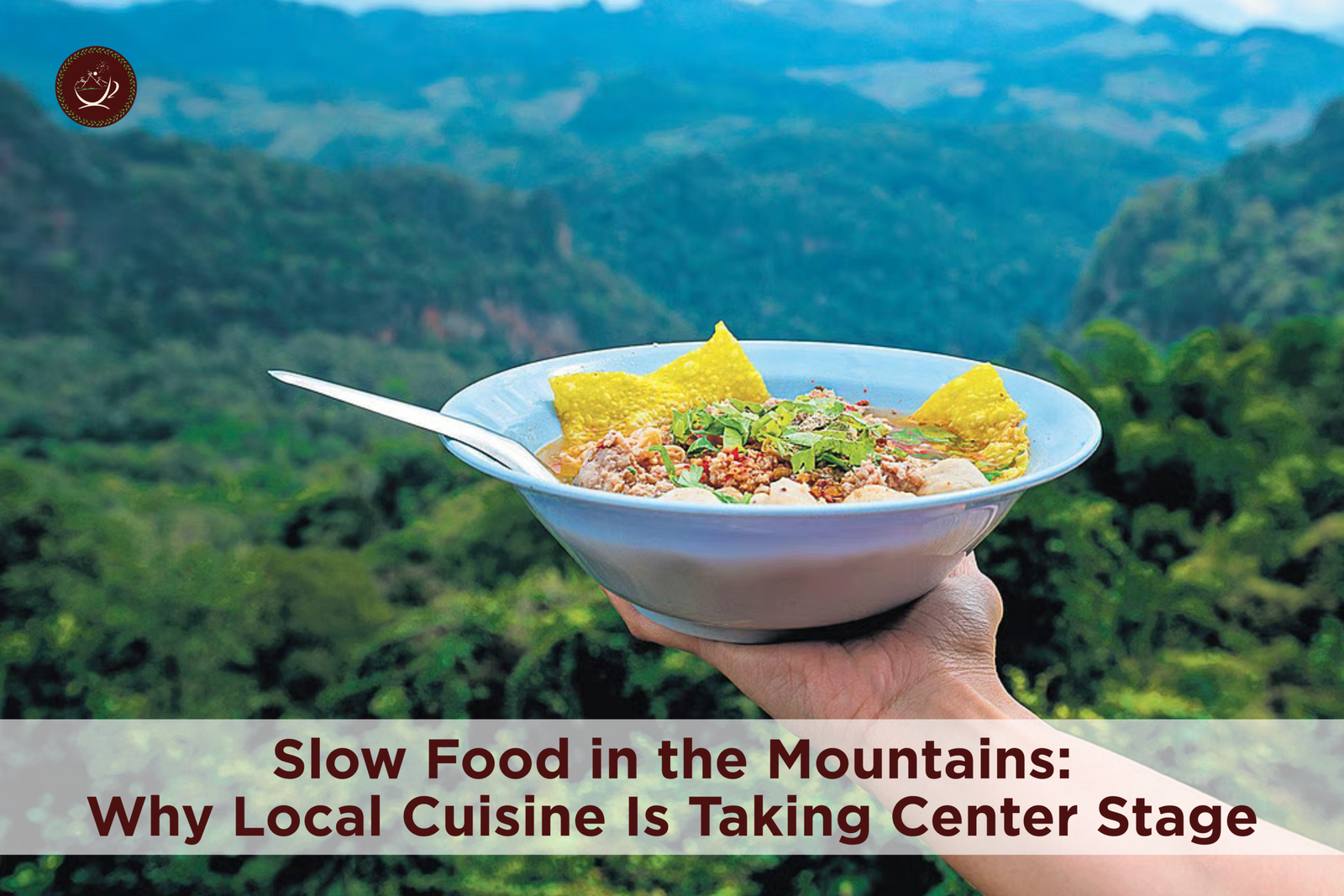
Travelling in the mountains has always meant beautiful views, quiet places and outdoor fun. Food has become an important part of mountain travel in recent years, though. The idea of slow food in the mountains is changing how people travel in those areas by focusing on local ingredients, traditional recipes and eating mindfully.
The Slow Food in the Mountains philosophy is different from fast food culture because it values quality, sustainability, and authenticity over speed and ease. This method works well in mountain areas where communities have relied on seasonal produce, locally grown ingredients, and traditional cooking methods for a long time. Slow Food in the Mountains is about being more connected to nature, culture, and eating mindfully. It keeps culinary traditions alive while helping local communities.
More and more, travellers want to try mountain food that shows off the area’s culture, history and way of life. This trend is changing mountain tourism. Eco- resorts, camps and cafes now serve meals made with fresh local ingredients.
Places such as Northern Cafe / Feel Alive Camps have embraced this movement by offering guests culinary experiences that highlight traditional flavors and locally sourced produce. Visitors not only enjoy breathtaking landscapes but also discover the deep connection between food, culture and nature.
This article explores why slow food in the mountains is gaining popularity and how it enhances the overall travel experience.
Understanding Slow Food in the Mountains
The Philosophy Behind Slow Food in the Mountains
The slow food movement began as a global response to the rise of fast food culture. It encourages people to appreciate food that is locally produced, environmentally sustainable and prepared with care.
In the mountains, the idea of slow food fits in well with the way people have always lived. People who live in these areas often depend on seasonal crops, vegetables grown at home and animals raised in the area.
This philosophy focuses on three essential principles:
Good food – flavorful, nutritious meals made from quality ingredients
Clean food – produced in environmentally sustainable ways
Fair food – supporting local farmers and producers
A lot of people who travel these days want more than just seeing the sights. Food is now a strong way to learn about the customs and history of a place.
At places like Northern Cafe / Feel Alive Camps, guests can enjoy the beauty of the mountains while eating real food made with ingredients from the area.
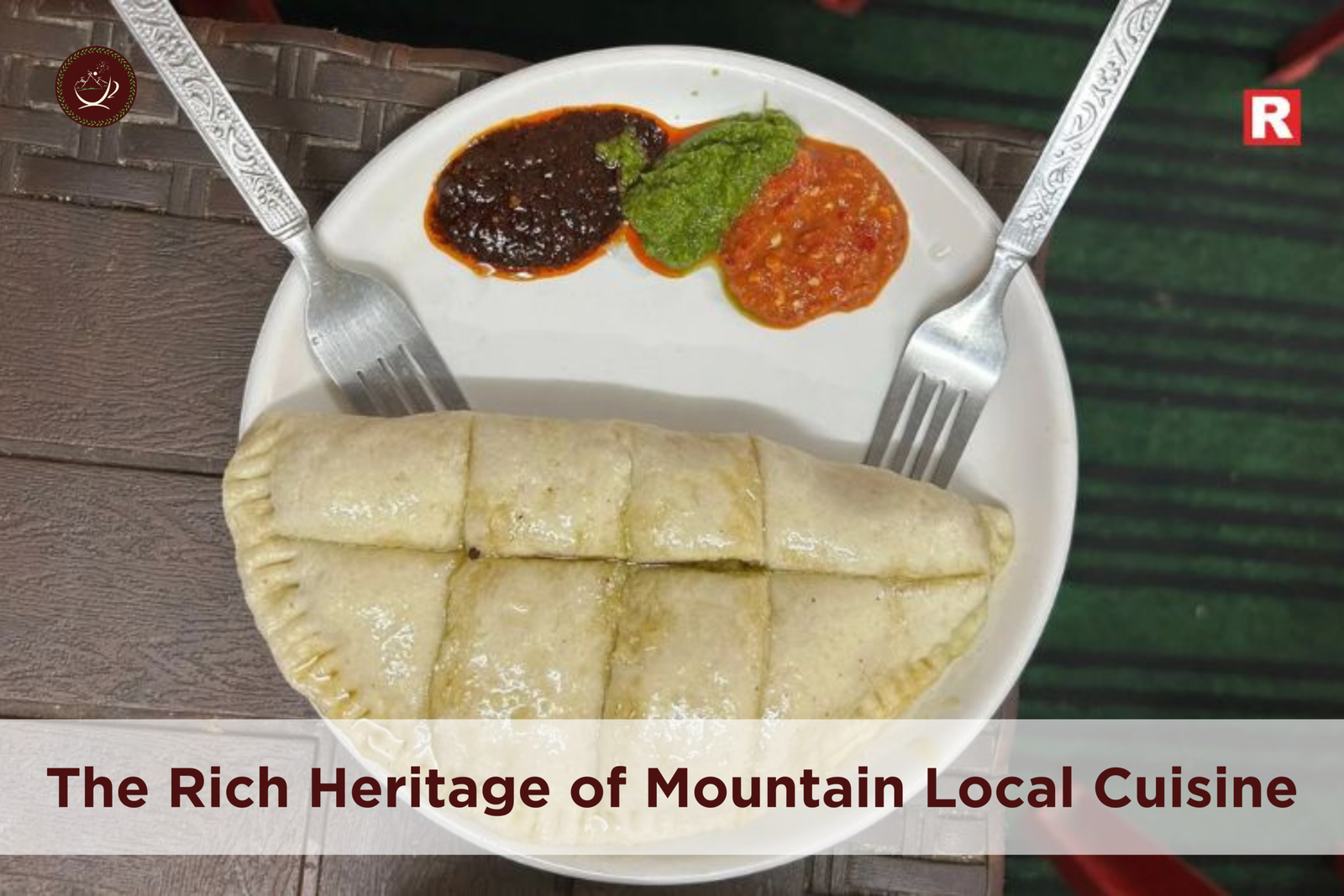
The Rich Heritage of Mountain Local Cuisine
Mountain Local Cuisine and Regional Identity
Every mountain region in the world has its own cooking styles that are based on the geography, climate and ingredients that are available. Local mountain food often shows how people have changed over the years to fit in with their surroundings.
Common characteristics of mountain cuisine include:
- Hearty meals that provide energy for physical activity
- Locally grown grains, vegetables and herbs
- Dairy products from mountain livestock
- Traditional cooking techniques such as wood-fire cooking
These dishes are deeply connected to the lifestyle of mountain communities. Meals are often prepared slowly using recipes passed down through generations.
For travelers, experiencing local cuisine offers an authentic glimpse into the culture of the hills.
Destinations like Northern Cafe / Feel Alive Camps highlight these traditions by incorporating regional flavors and cooking styles into their dining experiences.
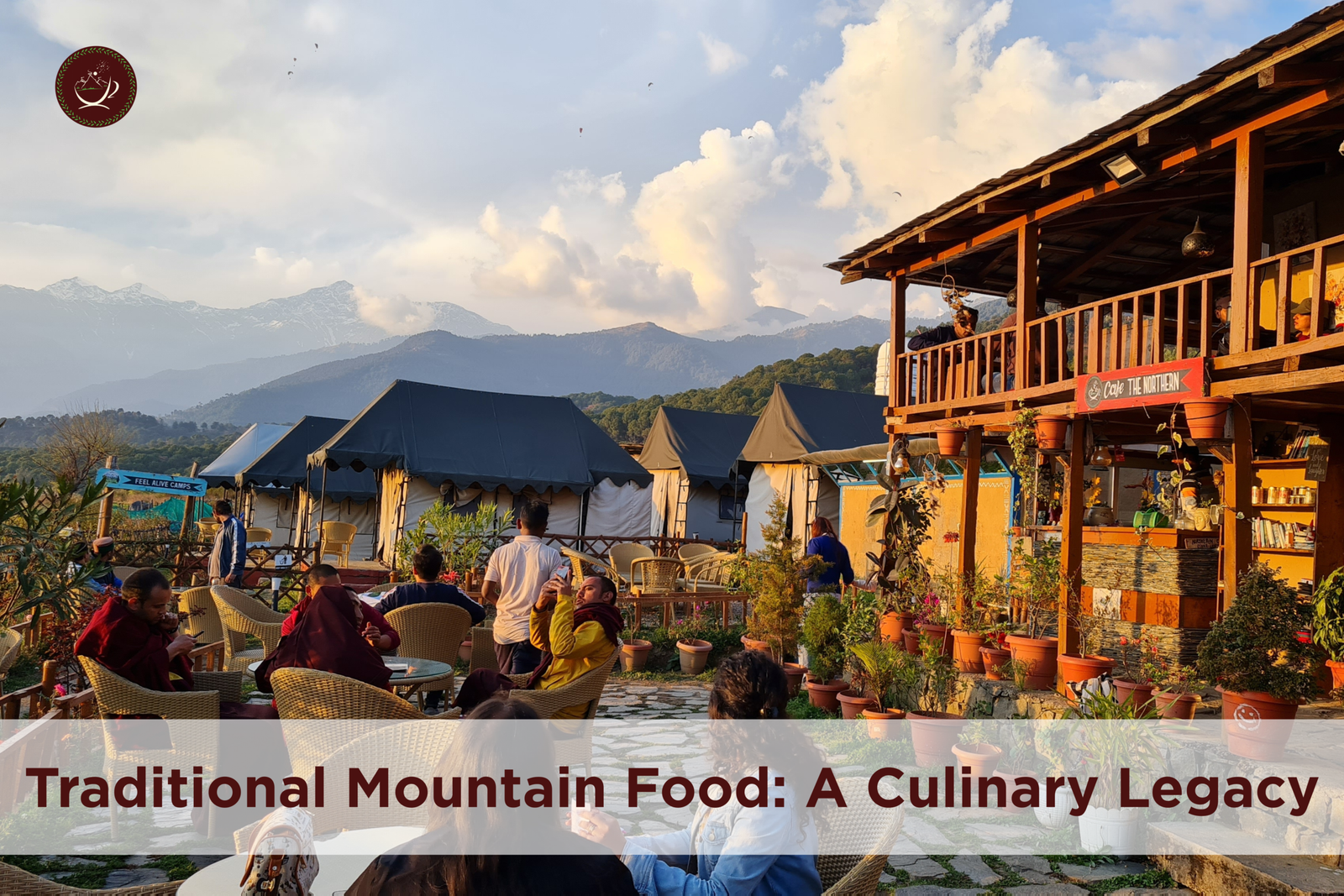
Traditional Mountain Food: A Culinary Legacy
The Role of Traditional Mountain Food in Local Culture
Food traditions in mountain regions are often preserved through generations. Traditional mountain food reflects the knowledge and resourcefulness of communities that learned to cook with seasonal and locally available ingredients.
Typical elements of mountain meals include:
- Slow-cooked stews
- Handmade breads
- Fermented foods
- Fresh herbs and spices
These recipes were designed to provide warmth and nourishment in cold climates while making the best use of available resources.
People who travel to the mountains today often look for these traditional dishes because they have real flavours that can’t be found in city restaurants.
Visitors to Northern Cafe / Feel Alive Camps can try local foods while taking in the beautiful views and peaceful atmosphere of the hills.
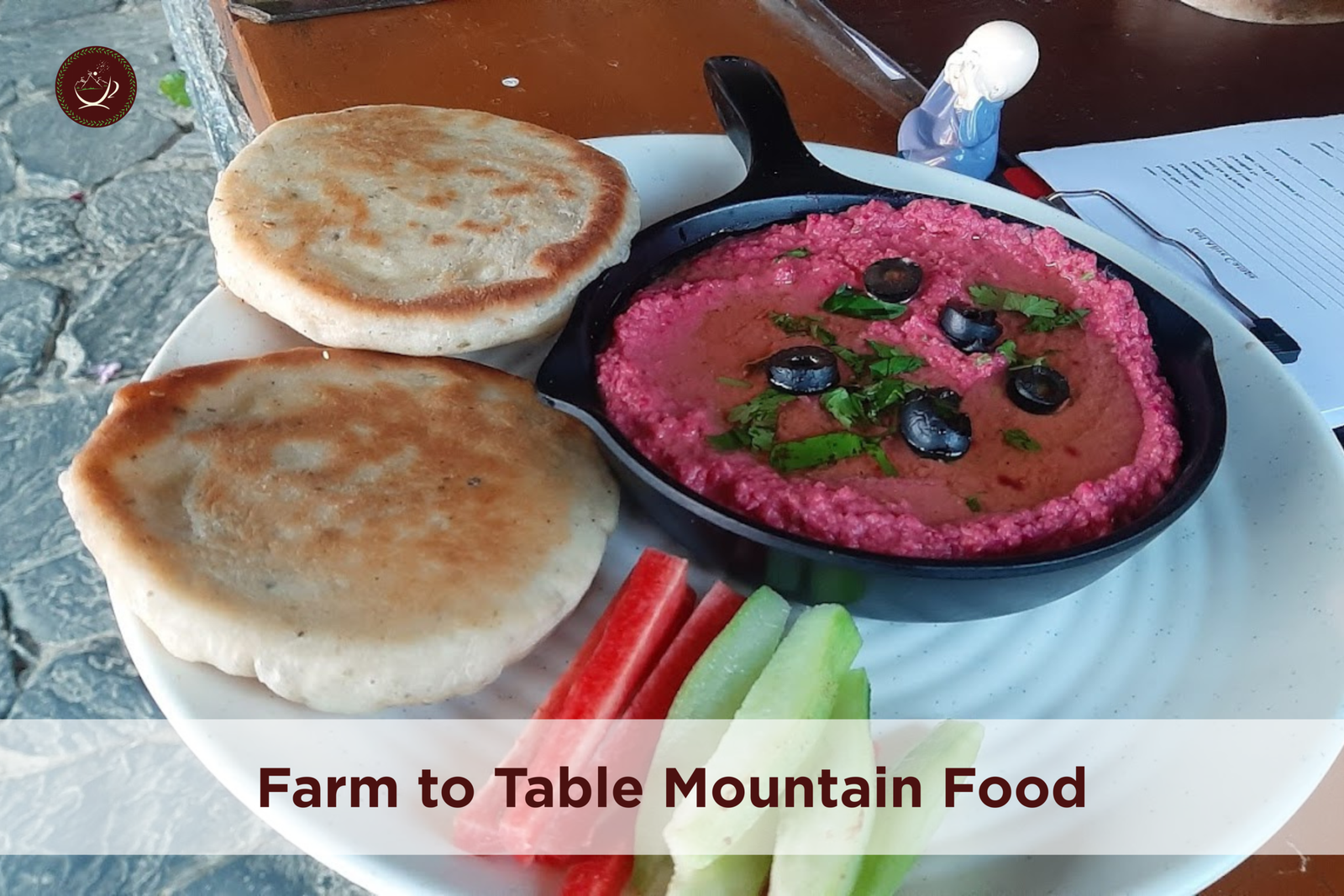
Farm to Table Mountain Food
The Growing Popularity of Farm to Table Mountain Food
The farm-to-table concept has become increasingly popular in the global culinary scene. In mountain regions, this practice is especially meaningful because many ingredients are grown nearby.
Farm to table mountain food emphasizes fresh, locally sourced produce that travels directly from farms to kitchens.
Benefits of this approach include:
- Fresher and more nutritious meals
- Support for local farmers and producers
- Reduced environmental impact
- Preservation of traditional agriculture
Restaurants and camps that follow this philosophy often build strong relationships with nearby farmers and food producers.
At places like Northern Cafe and Feel Alive Camps, guests eat meals made with fresh vegetables, herbs and dairy products from the area that show off the natural beauty of the area.
Local Food Culture in the Hills
How Food Shapes the Culture of Mountain Communities
Food is an important part of social life in mountain communities. Festivals gatherings and celebrations often revolve around shared meals that highlight regional specialties.
The local food culture in the hills reflects strong community values and a deep connection to nature.
Important aspects of hill food culture include:
- Seasonal festivals celebrating harvests
- Traditional cooking techniques passed through families
- Communal meals that bring people together
For travellers, learning about the food culture of the area gives them a better idea of how people live in the mountains.
Northern Cafe / Feel Alive Camps offer hospitality experiences that let guests fully experience these traditions while enjoying real regional food.
Authentic Mountain Cuisine and Sustainable Travel
Authentic Mountain Cuisine as a Travel Experience
Modern travelers increasingly value experiences that are meaningful and sustainable. Food has become a major factor in destination choice.
Authentic mountain cuisine offers visitors a chance to taste unique regional dishes while supporting local communities.
Benefits of choosing authentic culinary experiences include:
- Discovering regional flavors
- Supporting local food producers
- Preserving traditional recipes
- Encouraging sustainable tourism
When travelers choose destinations that prioritize local cuisine, they contribute to preserving cultural heritage and supporting rural economies.
Culinary experiences offered by places like Northern Cafe / Feel Alive Camps combine scenic mountain landscapes with traditional flavors that reflect the true spirit of the region.
Culinary Travel in the Mountains
Why Culinary Travel in the Mountains Is Growing
Food tourism has become one of the fastest-growing travel trends worldwide. Many travelers now plan trips specifically to explore regional cuisines.
Culinary travel in the mountains offers unique advantages:
- Fresh and seasonal ingredients
- Authentic cooking traditions
- Scenic dining experiences
- Cultural immersion
Eating in the mountains makes travelling even more special. People often eat in quiet, beautiful places with great views. Slow Food in the Mountains makes this experience even better by connecting travellers with local foods, culture, and mindful eating.
Places like Northern Cafe and Feel Alive Camps offer both outdoor adventure and food exploration, giving visitors unforgettable experiences in the spirit of Slow Food in the Mountains.
The Future of Slow Food in the Mountains
A Movement Shaping Sustainable Mountain Tourism
As travelers become more conscious of sustainability and authenticity, the popularity of slow food in the mountains is expected to grow even further.
This approach encourages:
- Sustainable agriculture
- Preservation of local food traditions
- Responsible tourism practices
Mountain destinations can offer unique experiences that attract travellers who want to connect with nature and culture by using local ingredients and traditional cooking methods. This is the idea behind “Slow Food in the Mountains.”
Northern Cafe and Feel Alive Camps are examples of how local food can be an important part of sustainable tourism.
Frequently Asked Questions (FAQs)
What is slow food in the mountains?
Slow food in the mountains refers to a culinary approach that emphasizes locally sourced ingredients, traditional recipes and sustainable food practices in mountain regions.
Why is mountain local cuisine popular among travelers?
Travelers enjoy mountain local cuisine because it offers authentic flavors, fresh ingredients and a cultural connection to the region.
What makes traditional mountain food unique?
Traditional mountain food is often made using locally grown produce, seasonal ingredients and cooking techniques passed down through generations.
What is farm-to-table mountain food?
Farm-to-table mountain food refers to meals prepared using ingredients sourced directly from nearby farms and local producers.
Why is culinary travel in the mountains growing?
Travelers increasingly seek unique experiences that combine food, culture and nature, making mountain culinary tourism highly appealing.
Where can travelers experience authentic mountain cuisine?
Destinations such as Northern Cafe / Feel Alive Camps provide opportunities to enjoy local food while experiencing the beauty and tranquility of mountain landscapes.
Conclusion
In today’s world, food is a big part of travelling. The Slow Food in the Mountains philosophy shows how closely food, culture and nature are linked in mountain areas.
Slow food in the mountains celebrates locally sourced ingredients, traditional cooking methods and sustainable food practices that preserve the heritage of mountain communities.
From farm-fresh ingredients to authentic regional recipes, mountain cuisine offers travelers a unique opportunity to connect with the landscape and culture of the hills.
Northern Cafe and Feel Alive Camps are examples of hospitality experiences that show how local food traditions can make travel more meaningful and memorable.
Slow Food in the Mountains will become more important in mountain tourism as more people look for real and eco-friendly travel experiences. The trip will be all about local food.
