

Mountain travel has long been associated with adrenaline—steep climbs, fast-paced itineraries, packed schedules, and constant movement. For decades, travelers went to the mountains to conquer peaks, chase thrills and return with stories of endurance. Today, that narrative is quietly but profoundly evolving.
A growing number of travelers are no longer asking how much they can do in the mountains. Instead, they are asking how deeply they can feel. This shift reflects changing trends in mountain travel, where stillness, presence and inner restoration are becoming just as valuable as adventure. Quiet spaces for pause—like sitting with a warm drink at Northern Cafe after a long walk—are becoming part of the journey itself.
Rather than replacing adventure entirely, mountain travel is expanding to include reflection, mindfulness and emotional well-being—experiences that places like Feel Alive Camps are uniquely positioned to offer.
The Traditional Image of Mountain Travel
For years, mountain destinations were marketed around intensity and challenge.
Adventure as the Core Motivation
- Trekking, climbing and endurance activities
- Tight itineraries focused on achievement
- Social validation through photos and milestones
Travelers often returned physically exhausted but mentally unchanged.
The Limitations of High-Intensity Travel
While adventure has its place, constant stimulation can:
- Increase burnout rather than reduce it
- Leave little room for reflection
- Turn travel into another performance
This realization has opened the door to a more balanced approach.
Why Travelers Are Seeking Something Different
Modern life has become relentlessly fast. Digital overload, constant notifications and pressure to stay productive have reshaped how people view travel.
Emotional Needs Are Changing
Travelers today seek:
- Mental clarity
- Emotional grounding
- A sense of meaning
The mountains, once a backdrop for adventure, are now being rediscovered as spaces for quiet transformation—often experienced in simple moments like unhurried conversations and long pauses, much like those enjoyed at Northern Cafe.
Understanding the Shift Toward Slower Experiences
This transformation isn’t accidental—it reflects deeper cultural changes.
The Rise of Intentional Travel
People are choosing:
- Fewer destinations, longer stays
- Depth over breadth
- Experience over achievement
This marks a clear shift from adventure to slow travel, especially in mountain regions where nature naturally encourages pause.
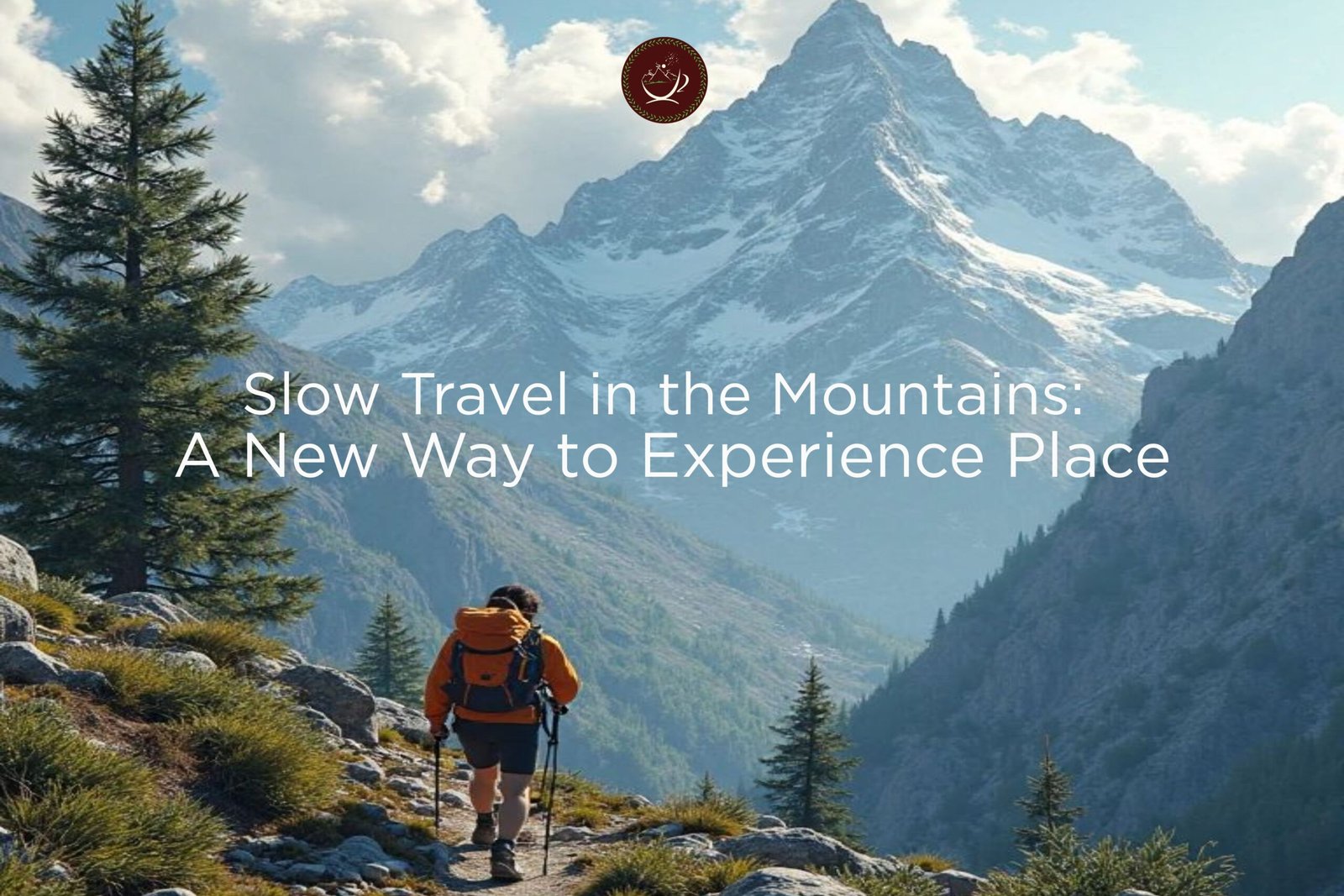
Slow Travel in the Mountains: A New Way to Experience Place
Slow travel prioritizes presence over productivity.
What Slow Mountain Travel Looks Like
- Walking instead of rushing
- Sitting with landscapes instead of photographing them constantly
- Letting days unfold naturally
Slow travel in the mountains allows travelers to sync with nature’s rhythm rather than impose their own.
Why Mountains Are Ideal for Slowness
- Natural silence reduces mental noise
- Vast landscapes encourage perspective
- Distance from cities enables digital detox
These elements make mountain regions ideal for deeper, more meaningful journeys.
Mindful Mountain Travel and Inner Awareness
Mindfulness has moved beyond meditation apps—it’s becoming a way of traveling.
What Makes Travel Mindful
Mindful mountain travel emphasizes:
- Awareness of surroundings
- Connection with breath and body
- Emotional presence in each moment
Instead of chasing highlights, travelers notice subtle changes—light shifts, wind patterns, inner responses.
The Psychological Impact
Mindful experiences can:
- Reduce stress and anxiety
- Improve emotional regulation
- Foster gratitude and clarity
The mountains naturally support this inward attention.
Wellness Travel in the Mountains Is Gaining Momentum
Wellness is no longer limited to spas or resorts.
Nature as a Wellness Partner
Mountains offer:
- Clean air and open space
- Natural movement through walking and hiking
- Quiet environments conducive to rest
Wellness travel in the mountains integrates physical, emotional and mental well-being without forcing structure.
Beyond Physical Health
True wellness includes:
- Emotional release
- Mental stillness
- A sense of belonging
Mountain retreats increasingly focus on holistic renewal rather than performance.
From Doing to Being: A Philosophical Shift
One of the most profound changes is not logistical—it’s philosophical.
Redefining a “Successful” Trip
Success is no longer measured by:
- Number of activities completed
- Distance covered
- Social media engagement
Instead, it’s defined by:
- How grounded you feel
- What you discovered about yourself
- How deeply you rested
This redefinition is central to the changing trends in mountain travel.
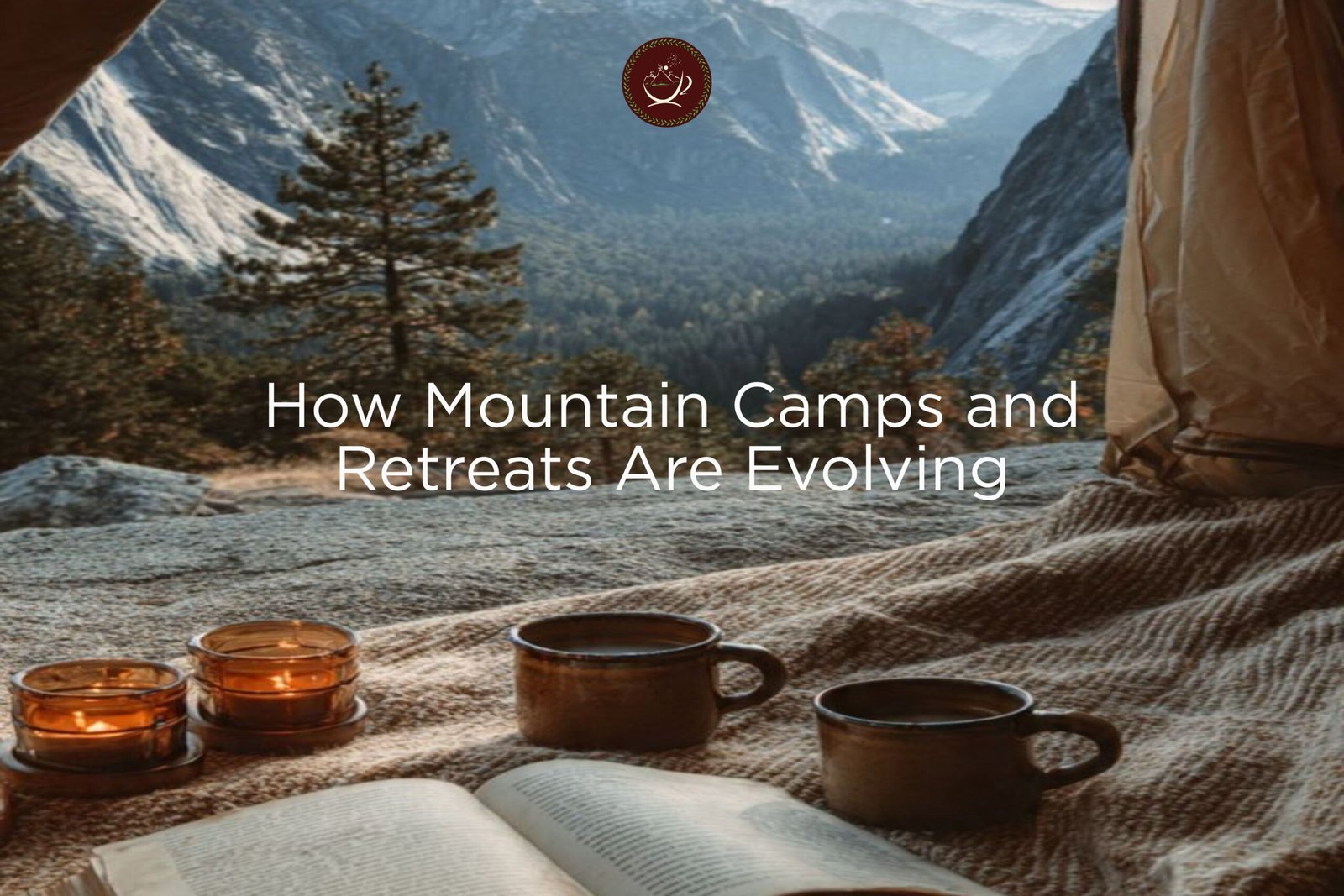
How Mountain Camps and Retreats Are Evolving
Travel providers are adapting to these expectations.
Experiences Over Itineraries
Modern mountain stays emphasize:
- Flexible schedules
- Open-ended exploration
- Guided reflection rather than rigid plans
This approach creates space for personal insight.
Community and Connection
Travelers increasingly value:
- Small group experiences
- Meaningful conversations
- Shared silence
These elements foster belonging rather than competition.
The Role of Nature in Emotional Healing
Mountains offer more than scenery—they offer emotional safety.
Why Nature Facilitates Healing
- Reduced sensory overload
- Non-judgmental environments
- Rhythms that regulate the nervous system
Time in the mountains allows emotions to surface and settle naturally.
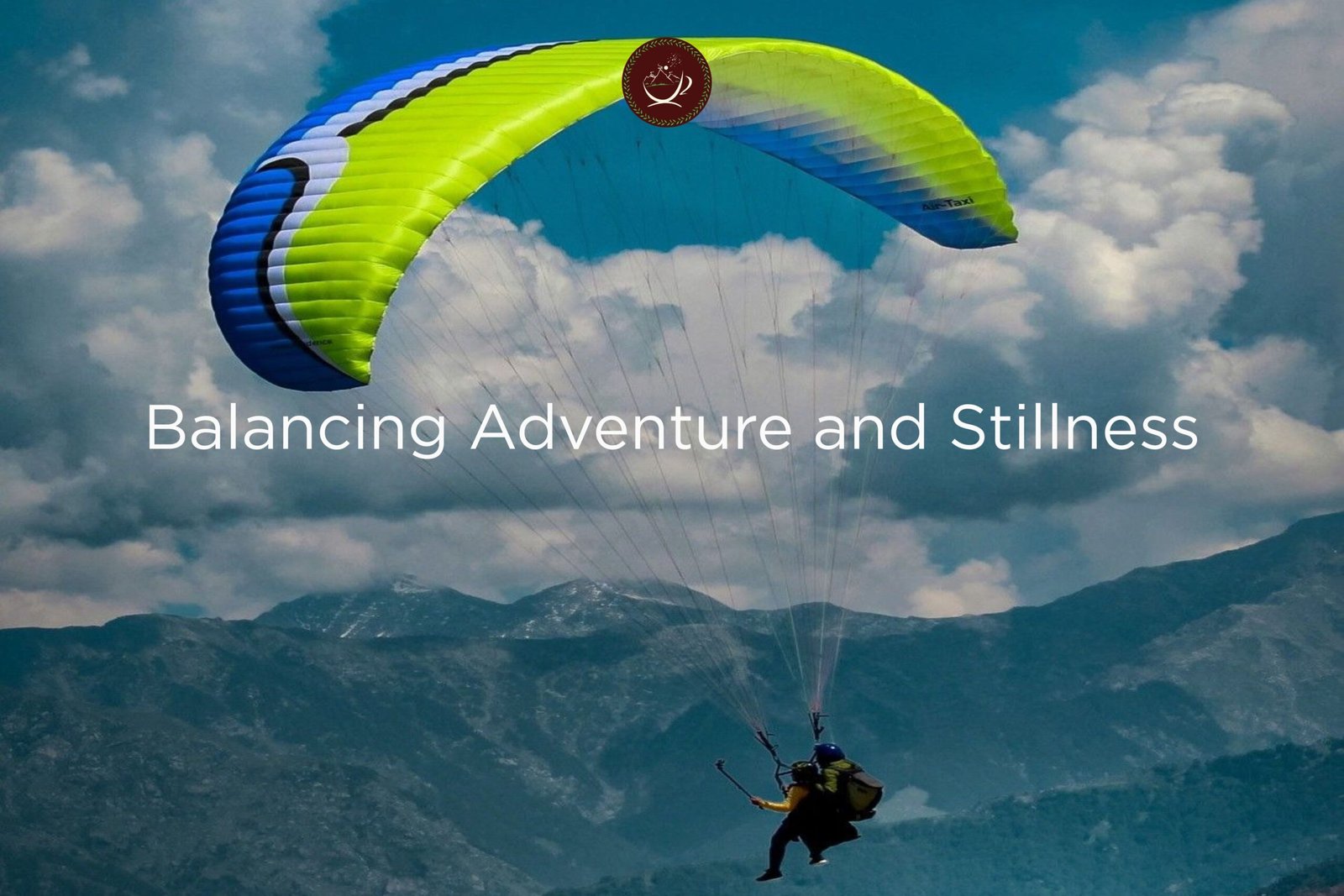
Balancing Adventure and Stillness
This evolution doesn’t reject adventure—it reframes it.
A More Sustainable Approach
Balanced mountain travel includes:
- Gentle physical challenges
- Intentional rest
- Awareness of personal limits
Adventure becomes meaningful when paired with reflection.
Sustainability and Conscious Travel Choices
Slower travel also supports environmental responsibility.
Environmental Benefits
- Reduced transportation impact
- Less strain on local ecosystems
- Respect for local cultures
Choosing depth over speed aligns personal wellness with planetary care.
Why This Shift Is Likely to Continue
The movement toward slower, more mindful mountain travel is not a passing trend.
Long-Term Cultural Changes
- Increased burnout awarenessx
- Growing mental health conversations
- Desire for authentic experiencesz
As these factors persist, mountain travel will continue evolving toward stillness and meaning.
What This Means for Future Travelers
Future mountain travelers may:
- Plan fewer trips but stay longer
- Choose retreats over packed tours
- Value emotional outcomes as much as physical ones
This reflects a deeper maturity in how people relate to travel itself.
Frequently Asked Questions (FAQs)
Q1.Is adventure travel becoming less popular in the mountains?
No. Adventure still exists, but it is increasingly balanced with rest and reflection.
Q2.What is slow travel in the mountains?
It involves spending unhurried time in nature, focusing on presence rather than packed activities.
Q3.How does mindful mountain travel benefit mental health?
It reduces stress, improves focus and supports emotional regulation through awareness and calm environments.
Q4.Is wellness travel only about yoga and meditation?
No. Wellness includes rest, nature immersion, emotional clarity and gentle movement.
Q5.Can first-time travelers enjoy this style of mountain travel?
Yes. Slower, more mindful approaches are accessible and often more welcoming for beginners.
Q6.Why are people shifting away from fast-paced mountain trips?
Many travelers are seeking deeper meaning rest and emotional connection rather than constant stimulation.
Conclusion
Mountain travel is undergoing a quiet but powerful transformation. What was once defined by conquest and speed is now shaped by presence, depth, and emotional renewal. As people reevaluate their relationship with time, nature and themselves, the mountains are becoming spaces not just to explore—but to listen, feel, and reconnect.
These changing trends in mountain travel reflect a broader human desire for balance in an overstimulated world. From slow walks and mindful moments to wellness-focused stays— and simple pauses over coffee at places like Northern Cafe—the journey is no longer only outward—it is deeply inward. And in that stillness, travelers are discovering something far more lasting than adventure alone.
