

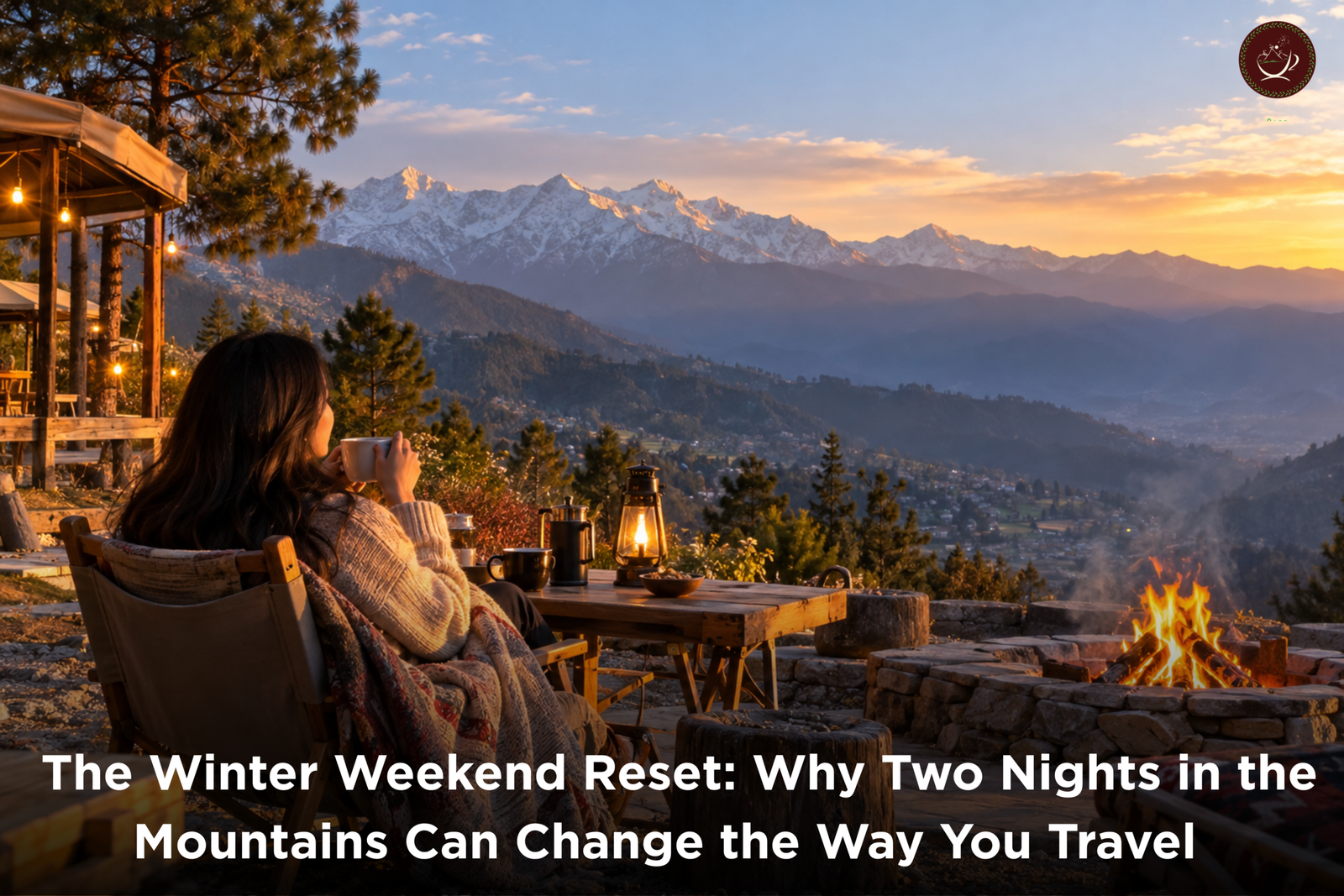
Modern travel often comes with an unexpected problem: we try to fit too much into too little time.
We plan packed itineraries, rush between destinations, check off attractions, answer work messages, and return home needing another holiday to recover. But what if a meaningful break did not require a long vacation?
A Winter Weekend Getaway can offer something very different.
Two nights in the mountains can create enough distance from everyday routines to help you slow down, reconnect with yourself, spend meaningful time with others and experience travel without constantly watching the clock. The value is not necessarily in how many places you visit. It is in how deeply you experience the place you choose.
Winter makes this experience even more distinctive. Cooler temperatures, quieter surroundings, misty mornings, mountain landscapes, warm food, campfires and slower evenings can encourage travelers to step away from the pace of everyday life.
For travelers looking for a meaningful short break, a two-night mountain stay can become more than a quick vacation. It can become a reset.
At Northern Cafe FeelAliveCamps, the idea of slowing down and experiencing the mountains can turn a short break into a memorable travel experience.
Why a Winter Weekend Getaway Feels Different
A short mountain break works because it changes more than your location. It can change your pace.
When you leave behind traffic, deadlines, notifications, crowded schedules and familiar surroundings, your attention naturally shifts toward what is immediately around you.
You notice the weather.
You notice the landscape.
You talk more.
You sleep differently.
You spend longer enjoying a meal.
You may even find yourself sitting quietly without feeling the need to fill every moment.
That is one of the biggest differences between a rushed vacation and a well-planned short mountain stay.
A Short Break Can Still Feel Like a Real Vacation
Many people assume that travel becomes worthwhile only when they have several days available. That is not necessarily true.
A carefully planned two-night stay can provide enough time to disconnect from routine without requiring an extended leave from work or other responsibilities.
The key is to avoid treating the trip like a checklist.
Instead of trying to see everything, choose one destination and allow yourself to experience it.
The Psychology Behind Taking a Break From Routine
Travel can provide psychological distance from everyday responsibilities.
Even when a trip lasts only a few days, being in a different environment can interrupt familiar habits. You are no longer looking at the same walls, following the same commute or responding to the same daily cues.
This change can make a short break feel surprisingly substantial.
Why Changing Your Environment Matters
Our surroundings influence our routines.
A busy urban environment can encourage constant movement and multitasking. A mountain environment often creates opportunities for slower activities such as walking, sitting outdoors, talking, reading, photography or simply observing nature.
This does not mean that mountains automatically eliminate stress. Instead, they can provide an environment in which you have more opportunities to choose a slower rhythm.
That distinction matters.
A good trip does not have to promise a perfect escape. It simply needs to create space for a different experience.
Two Nights Can Be the Sweet Spot
A Two night mountain getaway can strike a practical balance between time and experience.
One night can sometimes feel too short. By the time you arrive, settle in, eat and relax, it may already be time to leave.
Two nights offer something different.
You can arrive without immediately worrying about departure. You have a full day to experience the destination. Then you have another morning to enjoy the surroundings before returning home.
Night One — Leave the Routine Behind
The first evening should be about slowing down.
There is no need to immediately fill the schedule with activities. Arrive, settle in, explore the immediate surroundings, enjoy a warm meal and let the transition happen naturally.
Winter evenings can be particularly inviting.
Cool mountain air, warm beverages, comfortable spaces, conversations and the surrounding landscape can create an atmosphere that feels very different from an ordinary weekday evening.
Day Two — Experience Instead of Rush
The second day is where the reset really happens.
Instead of trying to cover multiple destinations, give yourself time to enjoy the surroundings.
Take a walk.
Enjoy the landscape.
Spend time outdoors.
Try local food.
Take photographs.
Talk with friends or family.
Read a book.
Or simply sit somewhere scenic and do nothing for a while.
The absence of constant activity is not wasted time. Sometimes it is exactly what makes a trip memorable.
Day Three — Return With a Different Pace
The final morning can be surprisingly valuable.
Rather than waking up and immediately packing in a hurry, give yourself time for breakfast, fresh air and one final look at the landscape.
That slower departure can help the feeling of the trip stay with you even after you return home.
Why Mountains Work So Well for a Short Reset
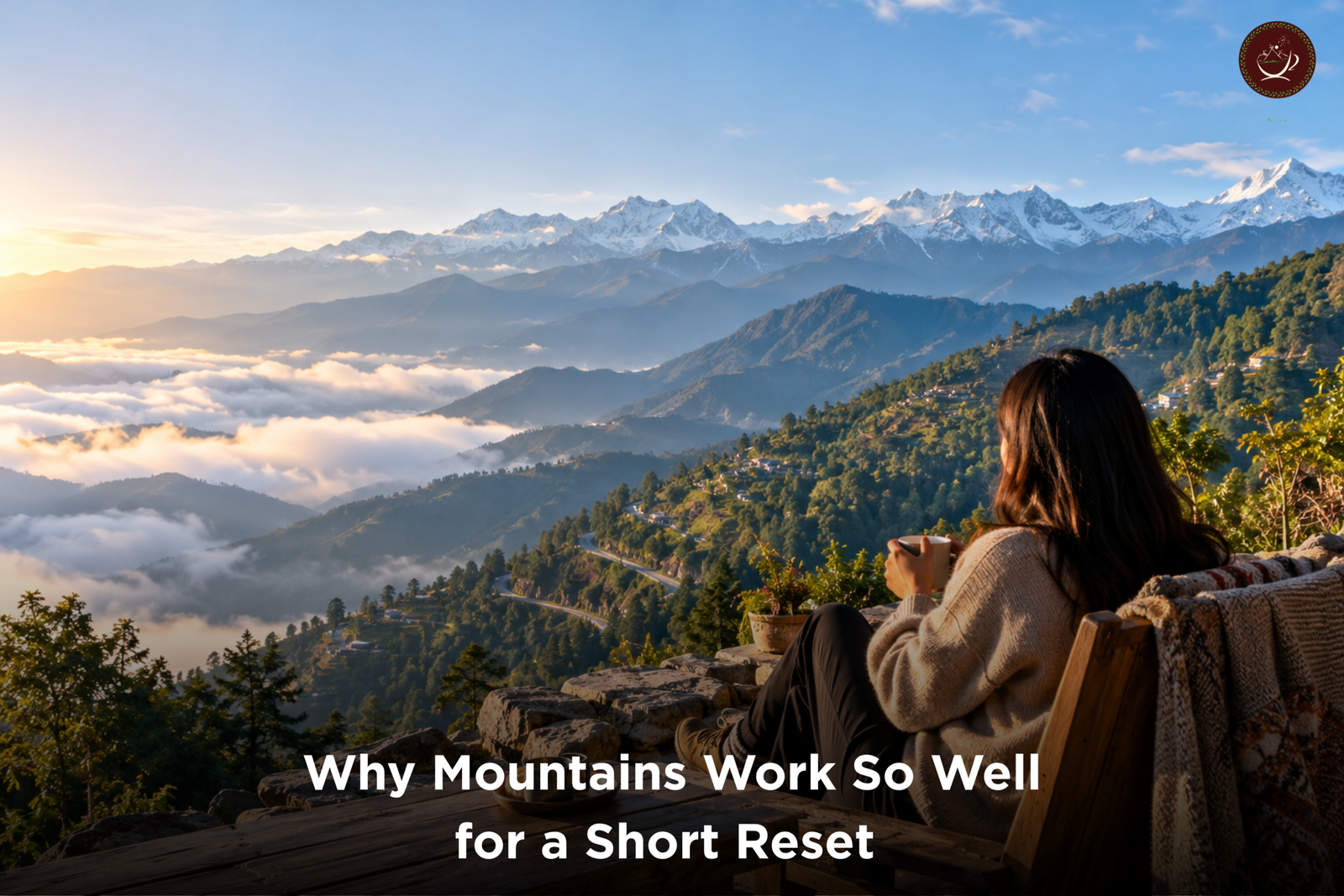
Mountains naturally encourage a different relationship with time.
Roads wind rather than run straight. Weather can change quickly. Landscapes create natural pauses. Distances feel different. Even simple activities can become more immersive.
A Mountain weekend getaway does not need a long list of attractions.
Its appeal can come from the setting itself.
Nature Creates Natural Pauses
Mountain environments give travelers opportunities to pause without needing to schedule a formal wellness activity.
Watching clouds move across a valley, listening to birds, walking along a quiet path or looking at a changing sunset can be enough to create a sense of separation from routine.
These moments are easy to overlook in everyday life.
A short trip makes them easier to notice.
Winter Adds a Special Character to Mountain Travel
Winter has its own travel personality.
The colder weather can make indoor gatherings feel more intimate, while outdoor landscapes can look dramatically different depending on altitude, weather and location.
For many travelers, a Winter mountain getaway is less about chasing a specific weather event and more about enjoying the atmosphere of the season.
The Appeal of Cold-Weather Evenings
Winter evenings can encourage travelers to spend quality time together.
Warm food tastes different after time outdoors. Conversations can continue longer when there is nowhere else you need to rush to. A simple cup of tea or coffee can become part of the travel memory.
These small experiences often become the moments people remember most.
How to Plan a Better Weekend Trip to the Mountains
A successful short trip depends more on thoughtful planning than on a complicated itinerary.
Because your time is limited, unnecessary travel between locations can reduce the actual time you spend enjoying the destination.
Choose One Base Rather Than Too Many Stops
For a two-night stay, consider choosing one comfortable base.
This reduces packing, check-in, check-out and driving time.
It also allows you to become familiar with the surroundings rather than constantly moving.
Keep the Itinerary Flexible
Weather is an important consideration during winter travel.
Road conditions, visibility, temperatures and outdoor activity availability can change. Building flexibility into your plans allows you to adapt without turning unexpected changes into a problem.
Have a few options rather than one rigid schedule.
Pack for Comfort
Winter mountain travel requires practical preparation.
Consider carrying warm layers, comfortable footwear, personal medicines, weather-appropriate clothing, power banks and other essentials suited to your destination.
The objective is simple: stay comfortable enough to enjoy the surroundings.
Winter Travel in India: Why Short Breaks Make Sense
India offers a wide range of mountain destinations and winter experiences.
From the Himalayan region to other elevated landscapes, travelers can choose destinations based on accessibility, weather, activities and the kind of experience they want.
For people with limited leave, Winter weekend trips in India can be especially practical because they can fit around work schedules and personal commitments.
Choose the Experience, Not Just the Destination
Instead of asking only, “Where should I go?”, ask:
“What do I want to feel when I return?”
Do you want quiet?
Adventure?
Time with friends?
Family bonding?
Photography?
Nature?
A peaceful change of scenery?
Your answer can help determine the type of accommodation and location that suits your trip.
Winter Camping Can Make the Experience More Immersive
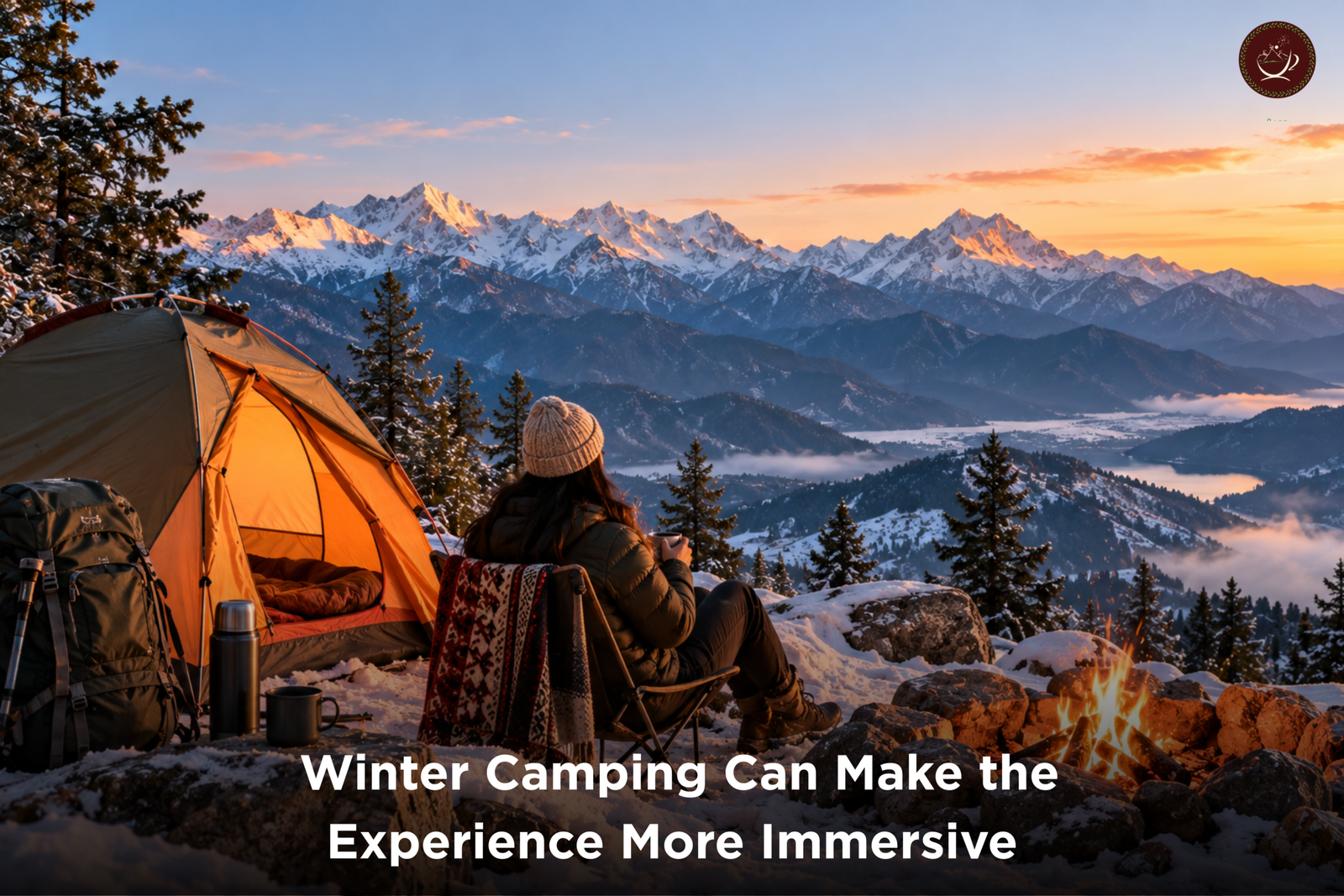
For travelers who enjoy being outdoors, Winter camping in the mountains can offer a closer connection with the landscape.
Camping is not simply about sleeping outdoors. It changes the way you interact with your surroundings.
You notice temperature, sounds, darkness, sunrise and weather in ways that are easy to overlook during conventional travel.
Comfort Still Matters
Cold-weather camping requires preparation.
Appropriate sleeping arrangements, warm clothing, safe heating practices where applicable, weather awareness and responsible outdoor behavior are important.
The goal should be to experience nature while remaining safe and comfortable.
The Value of Slowing Down Outdoors
A Weekend camping in the mountains experience can encourage travelers to spend less time on screens and more time paying attention to their surroundings.
Even a few hours without constant digital stimulation can make the trip feel substantially different.
A Mountain Retreat in Winter Is Not About Doing Nothing
There is a misconception that a retreat means complete inactivity.
In reality, a Mountain retreat in winter can include whatever helps you reconnect with yourself.
You might hike.
You might photograph landscapes.
You might enjoy a meal with friends.
You might write in a journal.
You might simply sit outside with a warm drink.
The important part is intentionality.
You are choosing how to spend your time rather than allowing your schedule to make every decision for you.
How a Weekend Escape Can Change the Way You Travel
The most interesting benefit of a short trip may be what happens after you return.
A well-designed break can change your expectations about travel.
You may realize that you do not need to visit five places to have a meaningful vacation.
You may begin prioritizing experiences over checklists.
You may choose slower itineraries.
You may spend more time in one destination.
You may start valuing mornings, meals, conversations, and landscapes as much as major attractions.
From Tourism to Experience
Traditional sightseeing often focuses on what you can see.
Slow travel asks what you can experience.
That shift can make even a short trip more meaningful.
A mountain escape can therefore become less about collecting photographs and more about collecting moments.
Who Can Benefit From a Short Mountain Break?
Almost anyone can appreciate a carefully planned short trip, but certain travelers may find it particularly useful.
Busy Professionals
People with demanding schedules may not be able to take a long vacation frequently.
A short break can offer a practical opportunity to step away from work without requiring a lengthy absence.
Couples and Friends
A short trip can create uninterrupted time for conversations and shared experiences.
Without the distractions of everyday schedules, people often have more opportunities to reconnect.
Families
Families can use a short mountain stay to spend time together away from school, work and household routines.
Simple activities can become memorable when everyone is fully present.
How Northern Cafe FeelAliveCamps Fits Into the Experience
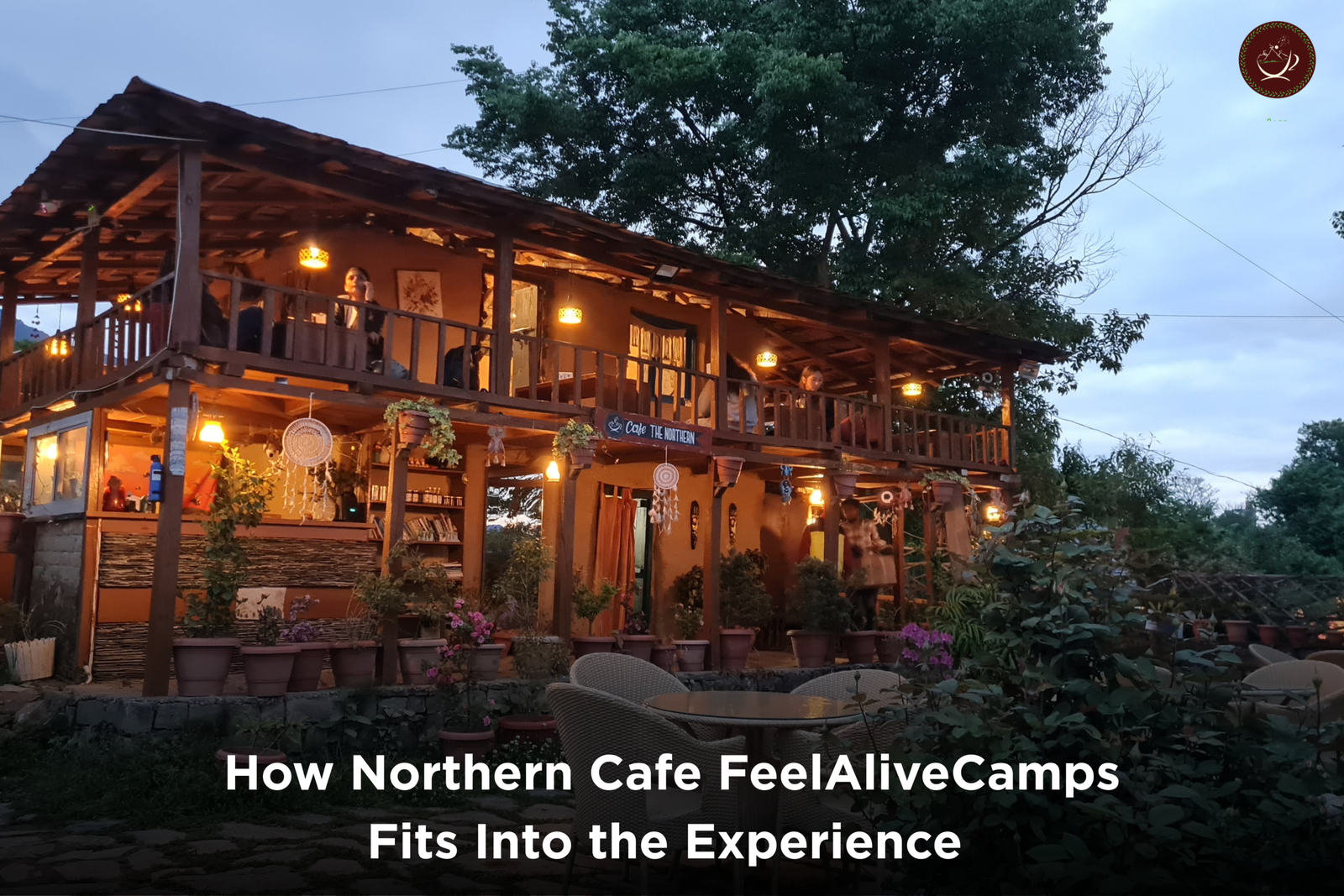
A mountain trip is ultimately shaped by the experience you create around the destination.
Northern Cafe FeelAliveCamps can be part of that experience for travelers looking to spend time in a mountain setting while enjoying a break from everyday routines.
Rather than measuring a trip only by the number of places visited, travelers can focus on the quality of the moments they create.
A warm meal, a conversation, time outdoors, a peaceful evening and a slower morning can all become part of a meaningful short break.
For travelers considering a Weekend mountain retreat, this approach can make two nights feel far more valuable than the calendar suggests.
How to Make Your Two-Night Reset More Meaningful
You do not need a complicated wellness program to make your trip restorative.
A few intentional choices can change the experience.
Reduce Unnecessary Screen Time
You do not necessarily need to switch your phone off completely.
Instead, decide when you will check messages and when you will remain offline.
This creates more room for conversation and observation.
Leave Empty Space in Your Schedule
Do not schedule every hour.
An unplanned afternoon can become one of the best parts of a trip.
Eat Slowly and Enjoy the Setting
Food is part of travel.
Rather than treating meals as something to fit between activities, allow yourself to enjoy them as part of the experience.
Wake Up Early at Least Once
Mountain mornings can offer a completely different atmosphere.
Even if you are not normally an early riser, waking up early once during the trip can give you time to experience the quiet before the day becomes active.
What to Avoid on a Short Mountain Trip
A short trip can lose its relaxing quality when travelers try to make it too ambitious.
Avoid Overpacking the Itinerary
Three days do not need ten activities.
Choose a few meaningful experiences and leave room for spontaneity.
Avoid Excessive Driving
Long drives between multiple destinations can consume the time you actually wanted to spend relaxing.
Avoid Ignoring Weather Conditions
Winter conditions can change quickly in mountain regions.
Check local weather and travel advisories before setting out and adapt plans when necessary.
Avoid Treating Rest as Wasted Time
Sitting quietly, having a conversation or enjoying the view is part of the trip.
You do not need to be constantly productive.
Is a Winter Weekend Getaway Better Than a Long Vacation?
Not necessarily.
A long vacation and a short mountain break serve different purposes.
A longer holiday allows deeper exploration and extended rest. A two-night trip, however, can be easier to plan, more accessible for busy schedules and easier to repeat throughout the year.
The real question is not which one is better.
It is which one fits your current needs.
Sometimes you need two weeks away.
Sometimes you need two nights.
The Real Meaning of a Mountain Escape
Travel does not always have to take you far away to make an impact.
Sometimes changing your surroundings for a couple of nights is enough to remind you that life does not always have to move at full speed.
A Mountain escape can create space for reflection, connection, conversation, exploration and rest.
And perhaps that is the real winter reset.
You return home with the same responsibilities, the same phone and the same calendar—but potentially with a different perspective on how you want to spend your time.
Frequently Asked Questions About a Winter Weekend Getaway
Q1: What makes a Winter Weekend Getaway different from a regular vacation?
A Winter Weekend Getaway focuses on slowing down rather than maximizing sightseeing. Two or three days in a mountain setting can provide a change of environment, quality time, outdoor experiences and a chance to step away from routine.
Q2: Is two nights enough for a mountain trip?
Yes. Two nights can provide a comfortable balance between travel time and relaxation, especially when you choose one base and avoid an overly packed itinerary. The experience depends more on planning and pace than on the number of days.
Q3: What should I pack for a winter mountain trip?
Pack warm layers, comfortable footwear, weather-appropriate outerwear, personal medicines, toiletries, chargers or a power bank and any destination-specific essentials. Check expected weather conditions before leaving and adjust your packing accordingly.
Q4: Are short winter trips suitable for families?
Yes. Short mountain trips can be suitable for families when the destination, accommodation, weather, travel time and planned activities match the family’s needs. Keeping the schedule flexible can make the experience more comfortable for everyone.
Q5: How can I make a short mountain trip feel more relaxing?
Avoid filling every hour with activities. Choose one base, reduce unnecessary driving, limit screen time, enjoy meals slowly, spend time outdoors and leave some unplanned time in the itinerary. A slower pace can make a short trip feel much longer.
Q6: Is winter camping suitable for everyone?
Winter camping requires additional preparation because temperatures and weather conditions can be challenging. Travelers should consider their experience level, equipment, physical comfort, local conditions and safety requirements before choosing an outdoor overnight stay.
Final Thoughts: Sometimes Two Nights Are Enough to Reset
Travel does not always need to be long to be meaningful.
Two nights in the mountains can give you something that a packed itinerary often cannot: space.
Space to breathe.
Space to talk.
Space to notice nature.
Space to sleep without rushing.
Space to enjoy a meal.
Space to remember what it feels like to have nowhere else you need to be.
That is why a thoughtfully planned short mountain break can change the way you travel. Instead of asking how much you can fit into a weekend, you begin asking how much you can actually experience.
For travelers looking for a refreshing seasonal break, Northern Cafe FeelAliveCamps can be part of a travel experience built around nature, connection, comfort and a slower pace.
Because sometimes the best trip is not the one that takes you the farthest.
It is the one that helps you come back feeling more present.
Travel Disclaimer:
Mountain weather and road conditions can change quickly during winter. Check current local conditions, follow relevant travel advisories and plan activities according to your experience and safety needs.
