


The Himalayas remain one of the world’s most breathtaking travel destinations, attracting trekkers, campers, backpackers, photographers and nature lovers every year. However, increasing tourism has also placed significant pressure on fragile mountain ecosystems, local communities and natural resources. This is why understanding responsible tourism in the Himalayas has become more important than ever in 2026.
Responsible tourism encourages travelers to explore mountain regions while minimizing environmental harm and respecting local traditions. Sustainable travel is no longer just a trend—it is a necessary approach for preserving the beauty and ecological balance of Himalayan destinations for future generations.
At Feel Alive Camps and Northern Cafe, eco-conscious travel experiences focus on nature appreciation, responsible camping and community-friendly tourism practices. This guide explains practical ways travelers can enjoy the Himalayas responsibly while protecting the environment and supporting local communities.
Why Responsible Tourism Matters in the Himalayas
The Himalayan region is environmentally sensitive and highly vulnerable to pollution, waste accumulation, climate change and over-tourism.
Uncontrolled tourism can contribute to:
- Plastic pollution
- Deforestation
- Water contamination
- Wildlife disturbance
- Cultural disruption
Responsible tourism helps preserve natural beauty while supporting sustainable local economies.
The Growing Impact of Tourism on Mountain Regions
Popular hill destinations are witnessing increasing tourist footfall every year.
Without proper management, this can lead to:
- Increased garbage accumulation
- Soil erosion
- Traffic congestion
- Water shortages
- Habitat destruction
Practicing sustainable travel reduces pressure on mountain ecosystems and local infrastructure.
Understanding Responsible Tourism in the Himalayas
Modern responsible tourism in the Himalayas focuses on balancing travel experiences with environmental and cultural preservation.
Responsible travelers aim to:
- Reduce environmental damage
- Respect local communities
- Support sustainable businesses
- Protect wildlife and forests
- Minimize waste generation
Small actions by travelers collectively create long-term positive impact.
Sustainable Tourism in India and Mountain Destinations
The rise of sustainable tourism in India reflects growing awareness about environmental conservation and ethical travel practices.
Travelers increasingly prefer:
- Eco-friendly accommodations
- Local cultural experiences
- Nature-based tourism
- Sustainable campsites
- Responsible trekking operators
These choices help support both local livelihoods and environmental sustainability.
Eco-Friendly Travel Habits Every Tourist Should Follow
Simple eco-friendly travel habits can significantly reduce environmental impact during mountain travel.
Carry Reusable Essentials
Travelers should carry:
- Reusable water bottles
- Cloth shopping bags
- Steel cutlery
- Refillable containers
Avoiding single-use plastics helps reduce waste in remote areas where garbage disposal systems may be limited.
Save Water and Electricity
Mountain regions often face resource shortages.
Responsible tourists should:
- Take shorter showers
- Turn off unused lights
- Avoid wasting water
- Use resources mindfully
Conserving energy and water supports sustainable tourism practices.
Reducing Waste While Traveling
One of the biggest environmental challenges in tourist destinations is waste management. Practicing reducing waste while traveling helps keep natural spaces clean and healthy.
Avoid Leaving Trash in Natural Areas
Travelers should always:
- Carry waste bags
- Dispose garbage responsibly
- Avoid littering trails
- Pick up personal waste
Even biodegradable waste can negatively affect local ecosystems when discarded carelessly.
Choose Sustainable Packaging
Buying products with minimal packaging reduces waste generation significantly.
Travelers can also support local businesses that prioritize eco-friendly practices.

Respecting Local Culture and Communities
Mountain communities often have deeply rooted traditions, customs and lifestyles. Practicing respecting local culture and communities is an essential part of ethical tourism.
Learn Local Customs and Traditions
Travelers should:
- Dress respectfully
- Follow cultural norms
- Seek permission before photographing people
- Respect religious sites
Understanding local customs improves travel experiences while promoting mutual respect.
Support Local Businesses
Buying local products and services helps strengthen regional economies.
Responsible tourists can support:
- Local cafes
- Handmade crafts
- Community guides
- Family-owned homestays
At Feel Alive Camps and Northern Cafe, community-oriented tourism experiences encourage travelers to connect responsibly with local culture and nature.
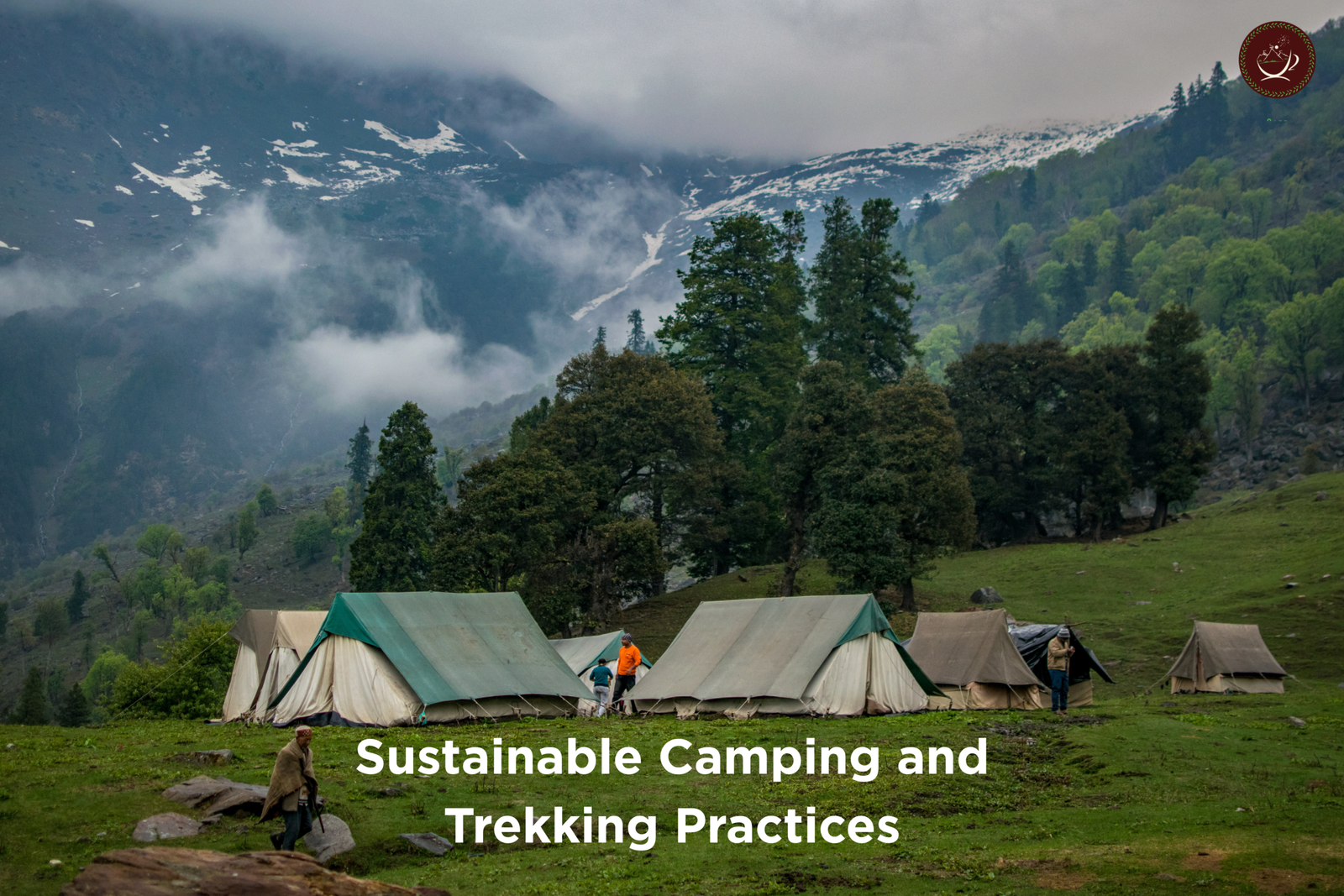
Sustainable Camping and Trekking Practices
Outdoor activities should never damage natural landscapes. Practicing sustainable camping and trekking practices helps preserve mountain ecosystems.
Follow Leave No Trace Principles
Responsible trekkers should:
- Avoid damaging vegetation
- Stay on designated trails
- Avoid disturbing wildlife
- Carry back all waste
Natural areas should remain clean for future visitors and local communities.
Eco Friendly Travel in the Mountains
Practicing eco friendly travel in the mountains involves minimizing environmental impact while enjoying outdoor experiences.
Helpful practices include:
- Choosing eco-certified campsites
- Avoiding loud noise pollution
- Using biodegradable toiletries
- Respecting forest rules
Sustainable travel enhances both environmental protection and personal travel experiences.
Protecting Himalayan Ecosystems
The Himalayas contain diverse wildlife, forests, rivers, and fragile ecosystems that require long-term protection.
Understanding the importance of protecting Himalayan ecosystems helps travelers become more environmentally aware.
H3: Avoid Disturbing Wildlife
Tourists should avoid:
- Feeding wild animals
- Playing loud music in forests
- Entering restricted zones
- Damaging plants or trees
Responsible behavior helps maintain ecological balance.
Importance of Forest Conservation
Forests in mountain regions support:
- Biodiversity
- Clean water systems
- Climate regulation
- Soil stability
Protecting forests benefits both local communities and future generations.
Sustainable Travel Tips for the Himalayas
Following practical sustainable travel tips for the Himalayas helps travelers reduce environmental harm while enjoying memorable experiences.
Travel During Less Crowded Seasons
Off-season travel reduces pressure on local infrastructure and natural resources.
It also offers:
- Quieter experiences
- Better local interaction
- Reduced overcrowding
- Lower environmental stress
Use Shared or Public Transportation
Transportation contributes significantly to pollution in mountain areas.
Using:
- Shared taxis
- Public buses
- Group transportation
helps reduce fuel consumption and traffic congestion.
Ethical Travel Practices in Mountain Regions
Modern travelers increasingly value ethical travel practices in mountain regions that prioritize environmental and cultural respect.
Choose Responsible Tour Operators
Travelers should select operators that:
- Follow environmental guidelines
- Support local employment
- Limit waste generation
- Promote sustainable tourism
Responsible tourism providers help preserve destinations long-term.

Respect Nature Over Social Media Trends
Many natural locations face damage due to excessive photography and careless tourism behavior.
Travelers should prioritize environmental responsibility over viral content creation.
How to Travel Responsibly in Himachal
Many visitors ask how to travel responsibly in Himachal while exploring popular destinations like Manali, Kasol, Tosh and Spiti.
Responsible practices include:
- Respecting local communities
- Avoiding littering
- Supporting local businesses
- Following trekking guidelines
- Conserving natural resources
Responsible tourism ensures these destinations remain beautiful and sustainable.
Eco Conscious Travel Experiences for Modern Travelers
Travelers increasingly seek meaningful and environmentally responsible journeys.
Modern eco conscious travel experiences focus on:
- Nature connection
- Sustainability
- Local culture
- Mindful travel
- Environmental awareness
Responsible travel often creates deeper and more fulfilling experiences.
Why Sustainable Tourism Awareness Matters
Environmental awareness plays a major role in protecting mountain destinations from long-term damage.
At Feel Alive Camps and Northern Cafe, sustainable tourism awareness encourages travelers to appreciate nature responsibly while supporting ethical travel practices and environmental conservation.
Education and responsible behavior remain essential for preserving Himalayan beauty for future generations.
FAQs About Responsible Tourism in the Himalayas
Q1. What is responsible tourism?
Responsible tourism focuses on minimizing environmental impact while respecting local culture and supporting communities.
Q2. Why is sustainable tourism important in mountain regions?
Mountain ecosystems are fragile and vulnerable to pollution, waste, and over-tourism.
Q3. How can travelers reduce waste during trips?
Travelers can carry reusable items, avoid single-use plastics and dispose waste responsibly.
Q4. What are Leave No Trace principles?
These guidelines encourage travelers to minimize environmental damage and leave natural areas clean.
Q5. How can tourists support local communities?
Supporting local businesses, respecting traditions and hiring local guides positively contribute to regional economies.
Q6. Are eco-friendly campsites better for the environment?
Yes. Eco-friendly campsites often use sustainable practices that reduce environmental impact.
Conclusion
Understanding responsible tourism in the Himalayas is essential for protecting mountain ecosystems, preserving local cultures and promoting sustainable travel experiences in 2026 and beyond.
Simple actions such as reducing waste, respecting communities, choosing eco-friendly travel practices, and supporting local businesses can create meaningful environmental and social impact.
With sustainability-focused experiences from Feel Alive Camps and Northern Cafe, travelers can explore the Himalayas responsibly while helping preserve the region’s natural beauty for future generations.
