

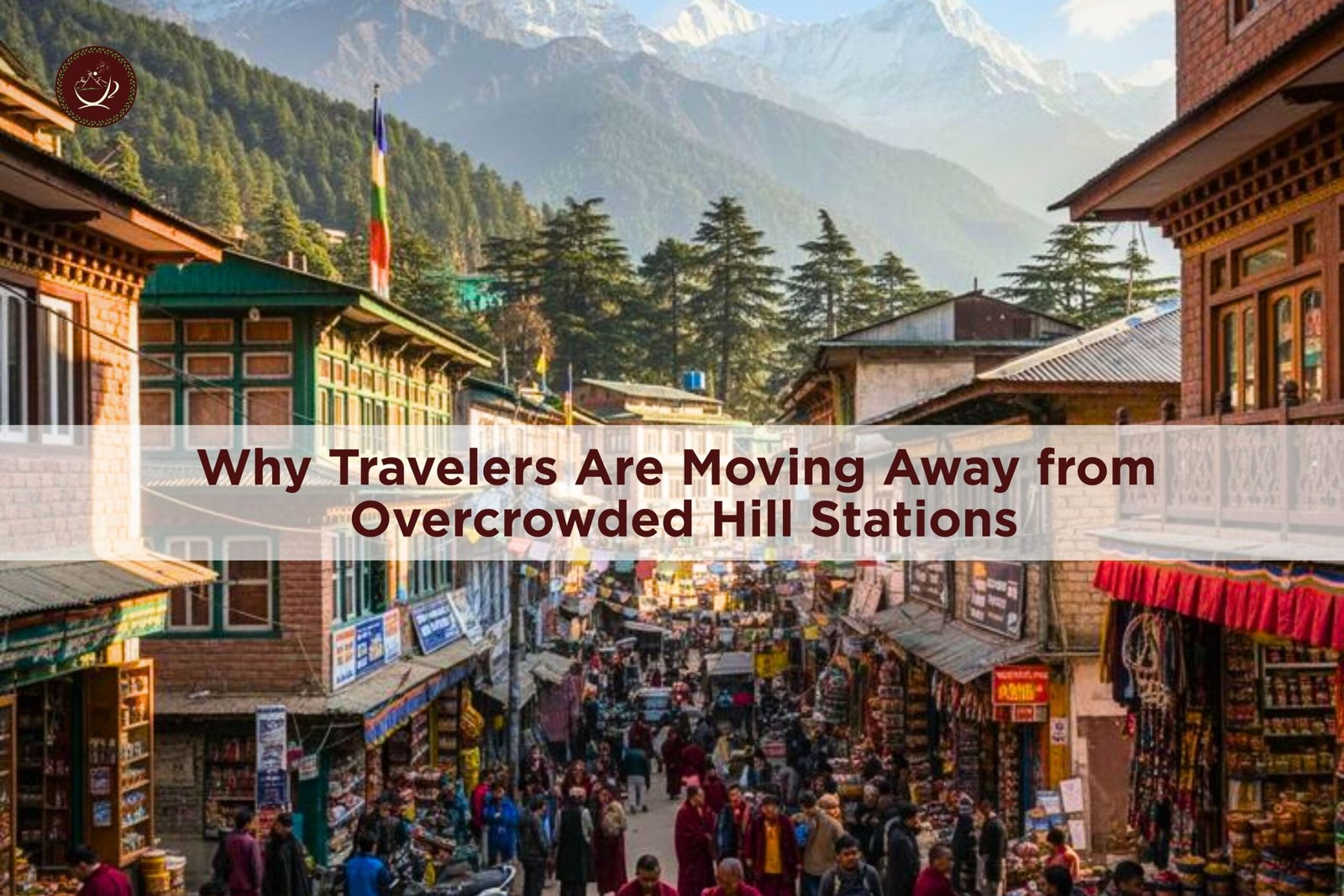
Hill stations have long been associated with escape, cool air and scenic beauty. For decades, they symbolized rest and rejuvenation for travelers seeking relief from city life. However, in
recent years, a noticeable shift has taken place. Many travelers are consciously avoiding overcrowded hill stations, choosing instead quieter and more immersive mountain
experiences. What was once peaceful has, in many places, become noisy, congested, and rushed. Traffic jams on narrow roads, packed viewpoints, inflated prices and environmental stress have
changed the character of popular hill destinations. As travel preferences evolve, people are beginning to ask whether these places still offer what they once promised.
How changed the overcrowded hill station experience changed?
The growing popularity of mountain travel has brought unintended consequences.
When Popularity Becomes a Problem
Many well-known destinations now struggle with excessive footfall during peak seasons. Overcrowded hill stations often experience strained infrastructure, long queues and limited
access to nature. Instead of slowing down, travelers find themselves rushing between crowded attractions.
This environment leaves little room for reflection, solitude or connection with the landscape —key reasons people travel to the mountains in the first place.
The Emotional Cost of Traveling to Crowded Destinations
Travel affects mental well-being as much as physical relaxation.
Stress Where Peace Was Expected
For many travelers, the disappointment is not just logistical but emotional. The constant noise, lack of personal space and pressure to “see everything” can create stress rather than
relief. This has led people to actively seek alternatives to crowded hill stations that allow them to truly unwind.
Travelers increasingly value calm over convenience and depth over popularity.
Environmental Strain on Popular Hill Stations
Nature bears the burden of over-tourism.
Impact on Fragile Mountain Ecosystems
Unregulated tourism puts pressure on water resources, waste management and wildlife habitats. Over time, natural beauty suffers and the very landscapes that attract visitors begin
to degrade.
As awareness grows, travelers are becoming more conscious of their impact and choosing destinations that support sustainability and preservation.
The Rise of Offbeat Hill Destinations
Quieter places are gaining attention.
Seeking Places Beyond the Spotlight
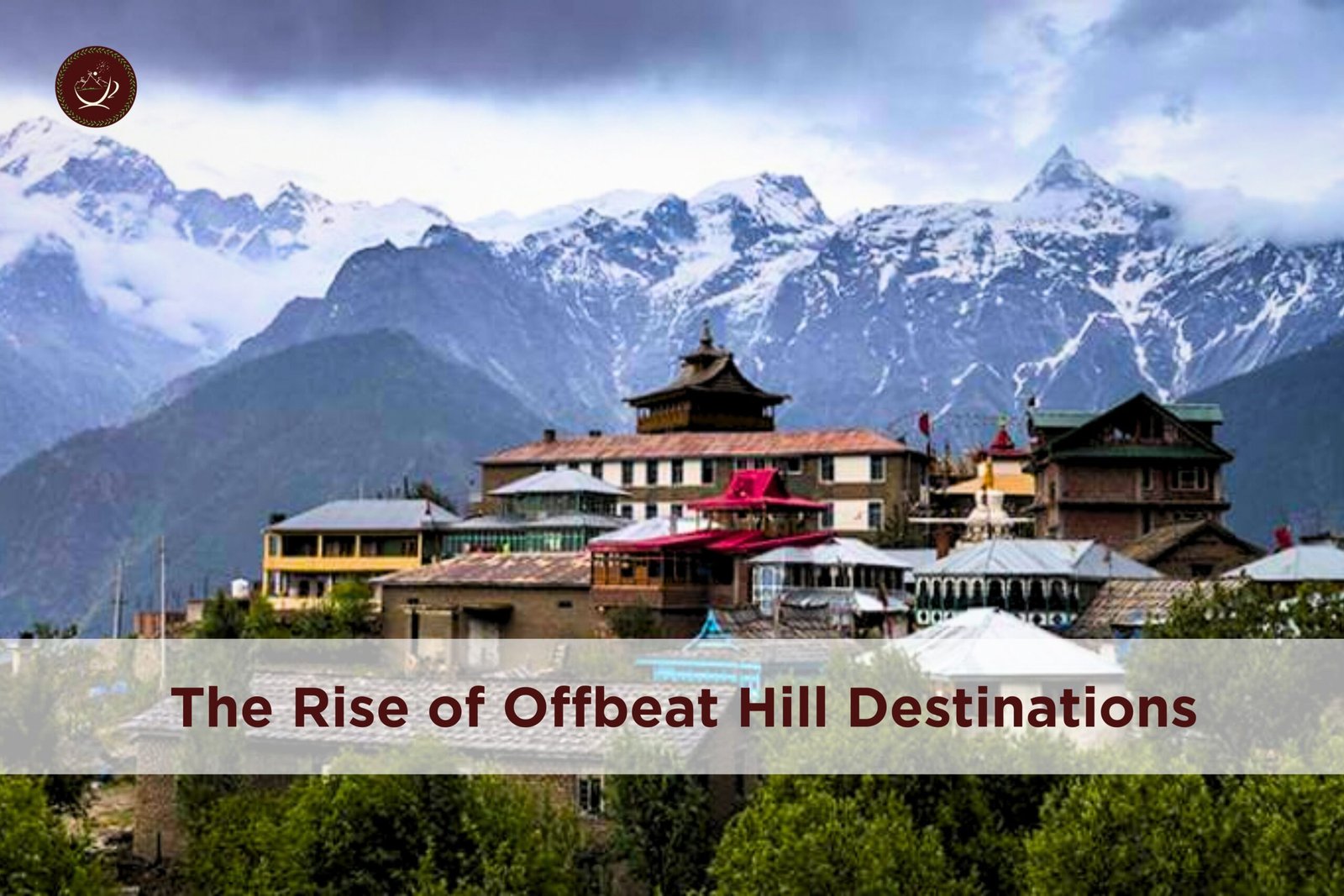
Offbeat hill destinations offer what popular places increasingly lack—space, authenticity and silence. These locations may not appear on every travel reel, but they provide deeper
engagement with nature and local culture.
Travelers are discovering that lesser-known villages and mountain regions often deliver richer experiences than famous tourist hubs.
Peaceful Mountain Travel as a New Priority
The definition of a good holiday is changing.
From Sightseeing to Stillness
Peaceful mountain travel emphasizes rest, reflection and presence. Instead of rushing from one attraction to another, travelers spend time walking, observing and simply being in the environment.
This approach allows the mountains to be experienced as living spaces rather than backdrops for photos.
Slow Travel in the Mountains and Meaningful Journeys
Time is becoming the new luxury.
Why Slowing Down Matters
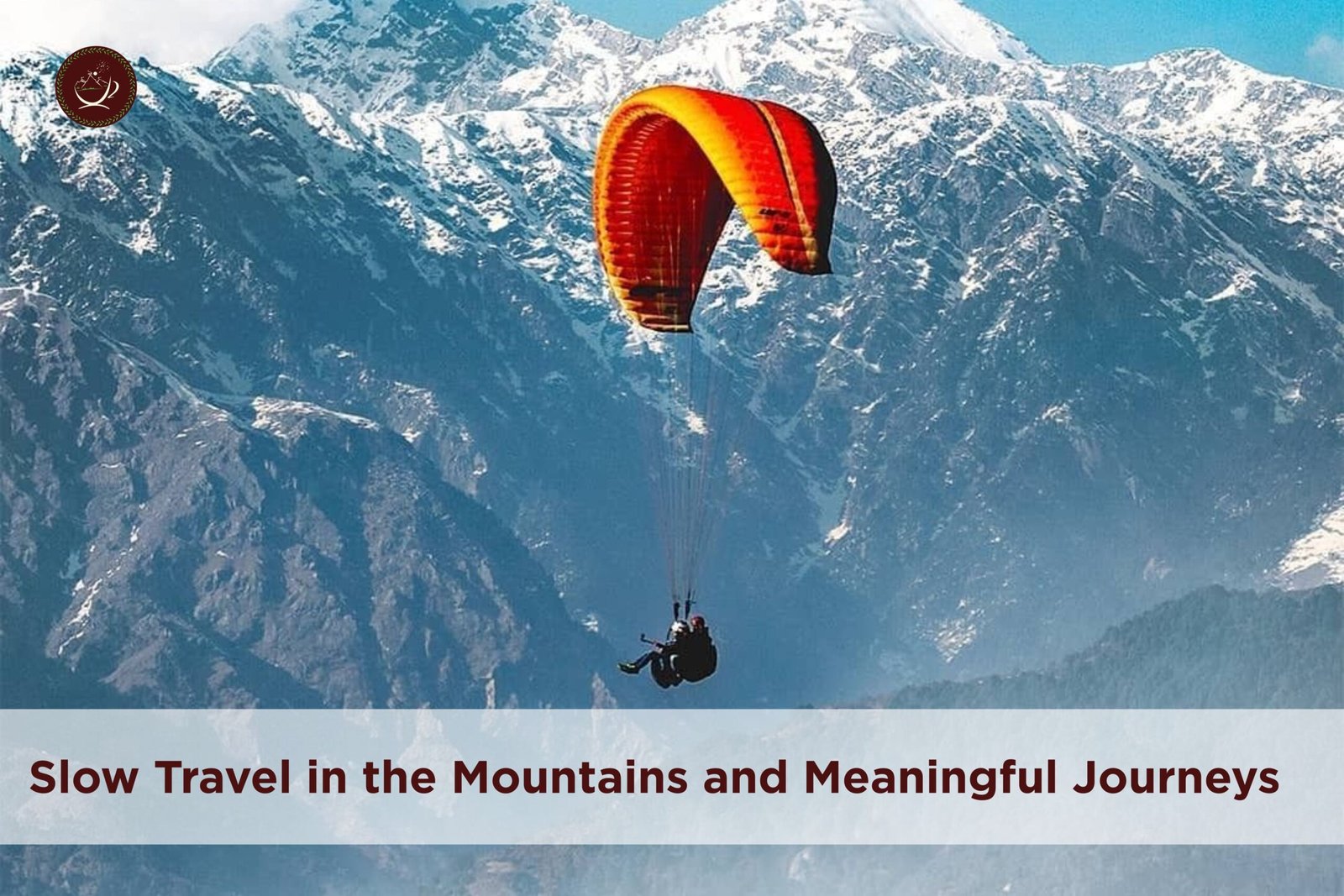
Slow travel in the mountains encourages longer stays and fewer destinations. Travelers immerse themselves in one place, building familiarity rather than collecting highlights.
This style of travel fosters deeper connections with landscapes and people, creating memories that feel personal rather than superficial.
Experiential Mountain Travel Over Traditional Tourism
Participation is replacing observation.
Living the Mountain Way of Life
Experiential mountain travel allows travelers to engage with local rhythms—sharing meals, learning traditions, and understanding daily life. These experiences feel grounded and human, unlike standardized tourism packages.
Such travel transforms visitors from spectators into participants.
Quiet Mountain Getaways and the Desire for Solitude
Silence has become valuable.
Why Travelers Seek Less Noise
Quiet mountain getaways offer space to disconnect from constant digital stimulation and social pressure. Without crowds, travelers experience uninterrupted views, undisturbed walks
and genuine calm.
Solitude in the mountains often leads to clarity, creativity and emotional reset.
Changing Traveler Values and Conscious Choices
Modern travelers are more intentional.
Choosing Experience Over Popularity
People are no longer impressed by ticking off famous destinations. Instead, they prioritize how a place makes them feel. This shift explains why many are turning away from crowded
destinations toward more mindful travel choices.
Intentional travel values quality of experience over quantity of locations.
How Feel Alive Camps & Northern Cafe Reflect This Travel Shift
New travel models are emerging.
Curated Experiences Beyond Crowds
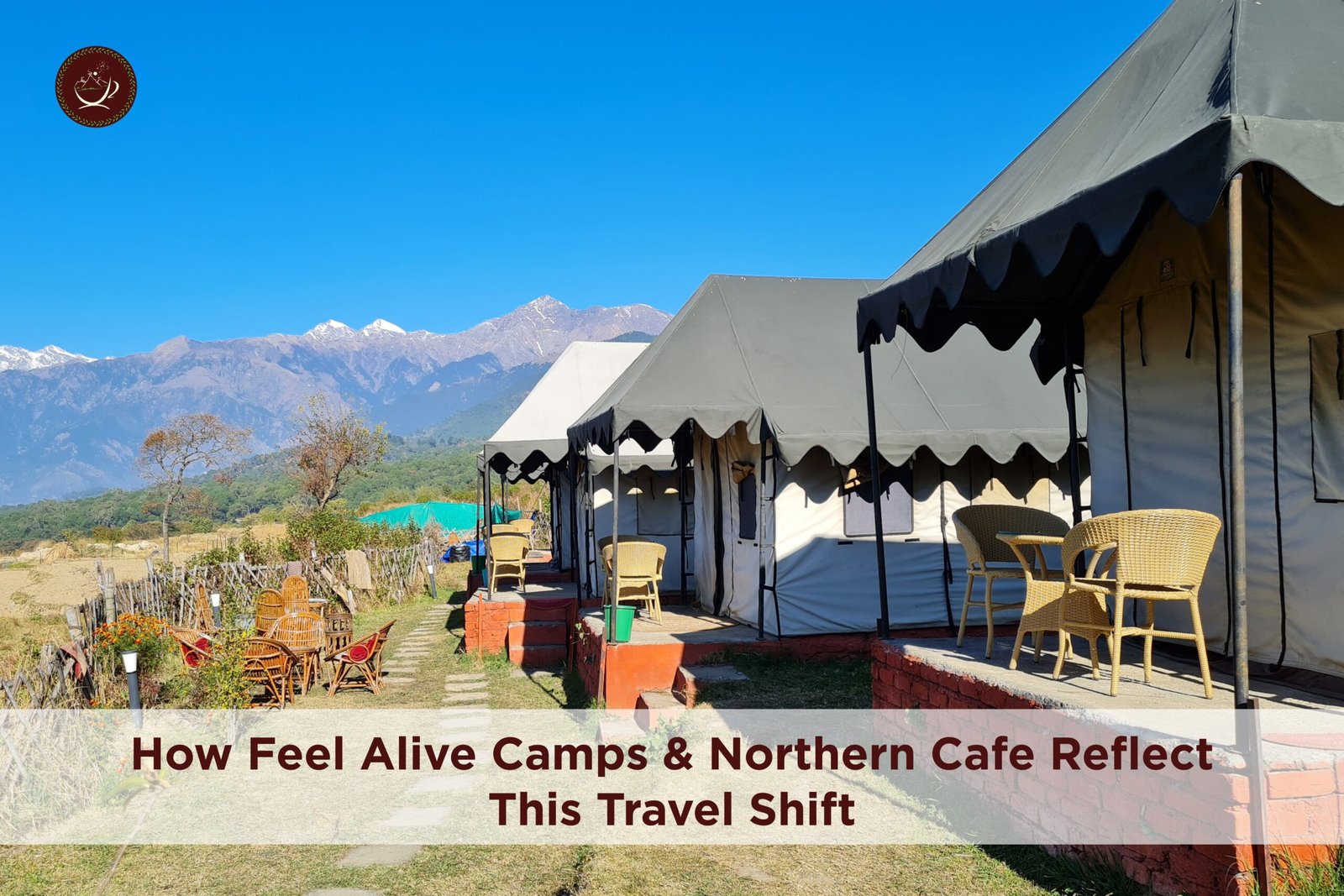
Platforms like Feel Alive Camps align with this movement by offering immersive stays in quieter mountain settings. Their approach focuses on connection, reflection and respect for nature rather than mass tourism.
Such initiatives support travelers who seek depth, authenticity and peace in the mountains.
Preparing for Travel Beyond Crowded Hill Stations
Mindset matters as much as destination.
What Travelers Should Expect
Traveling away from popular places may require flexibility and openness. Facilities may be simpler and routines slower—but the reward is a more fulfilling experience.
Preparation involves letting go of rigid expectations and embracing the natural pace of mountain life.
Frequently Asked Questions (FAQs)
Q1: Why are travelers avoiding overcrowded hill stations?
Because congestion, noise and environmental stress reduce the sense of peace and relaxation.
Q2: Are offbeat hill destinations safe for travelers?
Yes, with proper planning and responsible travel practices, they are safe and rewarding.
Q3. What is slow travel in the mountains?
It focuses on longer stays, fewer activities and deeper engagement with one place.
Q4: Do quieter destinations lack things to do?
No. They offer meaningful activities rooted in nature, culture and daily life.
Q5: How does experiential mountain travel differ from tourism?
It emphasizes participation and connection rather than sightseeing alone.
Q6: Is peaceful mountain travel suitable for families?
Yes, it can be adapted for families seeking calm and nature-based experiences.
Conclusion
The growing move away from overcrowded hill stations reflects a deeper shift in how people view travel. Mountains are no longer seen as checklists of attractions but as spaces for rest, reflection and connection. Crowds, noise and rushed itineraries no longer align with what modern travelers seek.
By choosing quieter destinations, embracing slower journeys and engaging in experiential travel, people are rediscovering the true essence of mountain life. With thoughtfully curated experiences offered by platforms like Feel Alive Camps, travelers and Northern cafe can step away from the chaos and return to the mountains as places of calm, meaning and renewal.
